
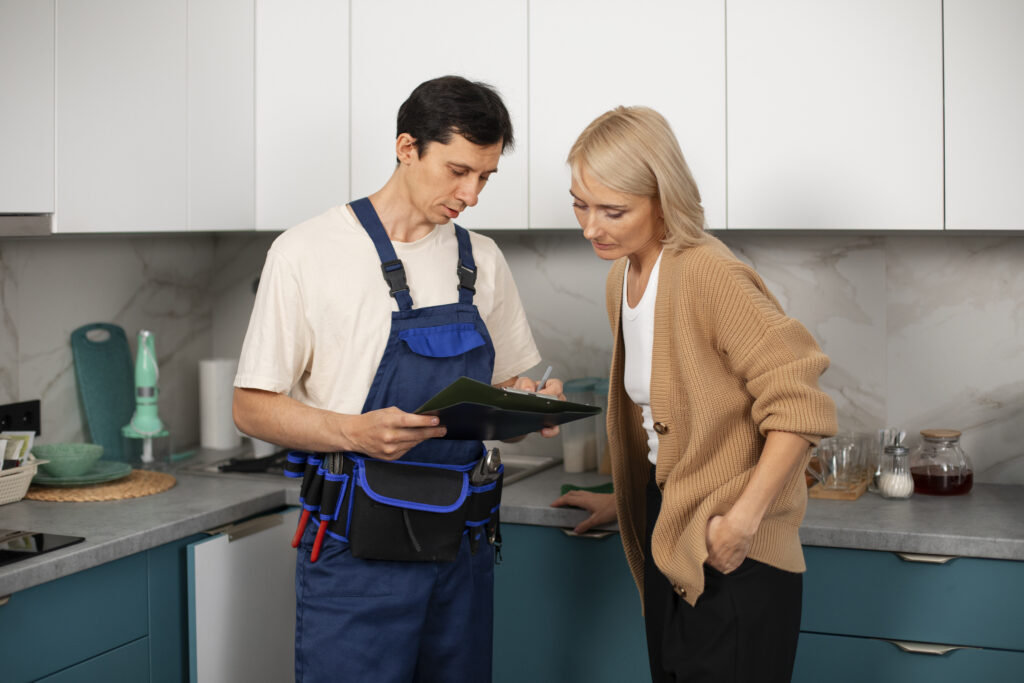
Typing plumber near me into a search engine can produce dozens of listings, adverts and directories within
seconds. The difficult part is not finding a name. It is deciding who is properly suited to the work, who will
communicate clearly and who will still be accountable after the job is complete. The best choice for an
emergency leak may differ from the best choice for a bathroom project or gas appliance work. Homeowners
should compare competence, scope, evidence and service standards rather than selecting solely by distance
or the lowest headline price. This guide explains how to make a confident local choice in West Yorkshire and
how to avoid common warning signs.
Start by defining the job
Before contacting companies, describe the problem as accurately as possible. Note where the issue is, when
it started, whether water or heating is still available and whether there are visible leaks, smells, noises or error
codes. Photographs can help a plumber understand the likely scope, although they do not replace an on-site
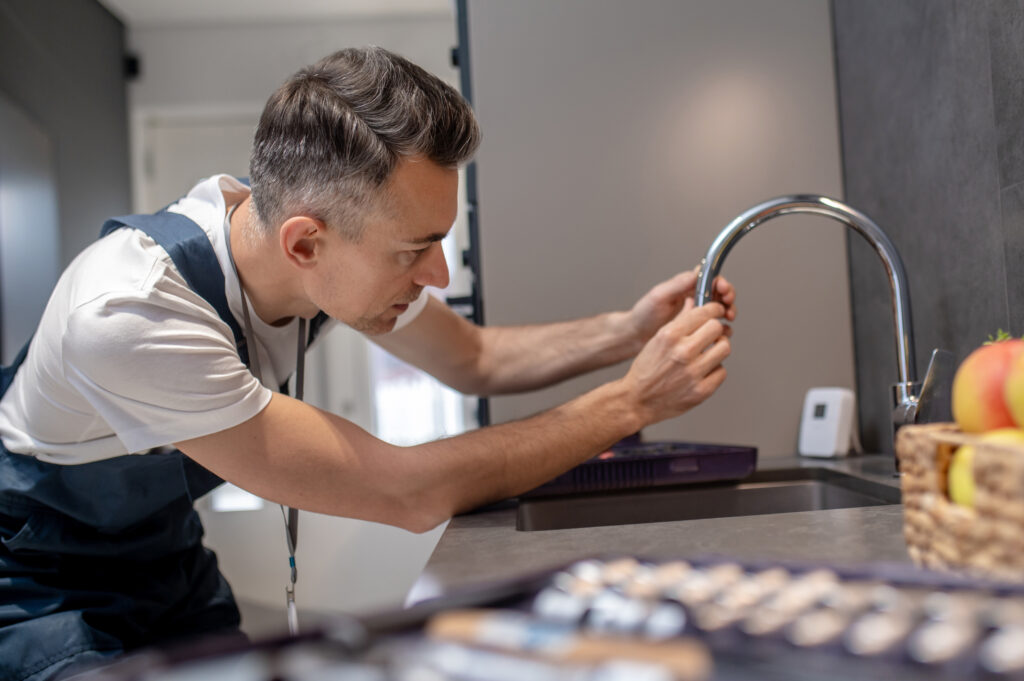
diagnosis. A Dripping Tap Repair may involve a worn washer, cartridge, valve seat or unsuitable pressure. A
boiler fault may require a heating engineer with the correct gas qualifications. A full bathroom installation
needs planning, plumbing, waterproofing, tiling and coordination between trades. Clear information allows
the company to allocate the right person, tools and appointment length.
Check competence for the exact work
Plumbing covers many different tasks. General water plumbing, drainage, heating controls, bathroom fitting
and gas work do not all require the same skills or legal registration. In the UK, anyone carrying out gas work
within the scope of the regulations must be on the Gas Safe Register and competent for the relevant
appliance category. Ask for the engineer’s Gas Safe details when gas work is involved and verify them
through the official register. For larger renovation work, ask who will manage electrical connections,MIK Plumbing
ventilation, tiling and building work. A trustworthy company should explain which tasks it completes directly
and which are handled by other qualified trades.
Read reviews critically
A five-star rating is useful only when supported by meaningful evidence. Look for recent reviews that
describe a similar job, mention punctuality and communication, and explain how the company handled an
unexpected issue. A small business may have fewer reviews than a national chain, but detailed local feedback
can still be valuable. Check whether review dates are spread over time and whether the company responds
professionally to criticism. Be cautious when every review is vague, appears in a short burst or uses identical
language. Reviews should inform a decision, not replace checks on qualifications, insurance and written
terms.
Compare the quality of the first conversation
The first call or message often reveals how a business operates. A good plumber will ask relevant questions,
avoid making guarantees without diagnosis and explain the next step. For urgent work, the company should
clarify call-out arrangements, likely attendance windows and what happens if specialist parts are required.
For planned work, expect questions about access, existing fixtures, preferred outcomes and budget. Pressure
to approve major work immediately, refusal to discuss charges or claims that every job can be priced
accurately from one photograph are warning signs.
Ask how pricing works
Plumbing prices may be structured as a fixed quotation, an hourly or half-day rate, a diagnostic charge, or
labour plus materials. None of these approaches is automatically wrong. The important point is clarity. Ask
whether VAT is included, whether parking or travel is chargeable, how materials are marked up, and whether
the quoted price includes making good. An estimate is an informed projection that may change; a quotation
is normally a firmer offer for a defined scope. Changes should be agreed in writing before extra work
proceeds. The cheapest initial figure can become expensive if essential items are omitted.
Understand emergency versus planned service
For a burst pipe or uncontrolled leak, speed and damage limitation matter. Turn off the relevant isolation
valve or main stop tap if it is safe to do so, protect electrical areas from water and contact an emergency
plumber. For a minor leak, slow drain or maintenance task, a scheduled appointment may offer better value
and allow time for parts to be identified. Avoid describing a routine issue as an emergency simply to obtain
immediate attendance; emergency rates may apply. Equally, do not postpone active leaks, gas concerns or
rapidly falling boiler pressure. A reputable local plumber will help you judge the appropriate urgency.
Look for local accountability
A genuinely local business should provide a clear trading name, contact details and service area. Local
knowledge can improve scheduling and help an engineer source familiar parts, but proximity alone does not
prove quality. Check that the company supplies written paperwork and can be contacted after completion.
For substantial projects, request the business address, insurance details, staged payment terms and warranty
information. Avoid paying the full value of a major installation in cash before work begins. Deposits may be
reasonable for ordered materials, but the purpose and payment schedule should be documented.
Ask for evidence, not vague assurances
Suitable evidence depends on the job. It can include Gas Safe registration, public liability insurance, product
warranties, manufacturer accreditation, photographs of comparable work and references for larger projects.
Gas Safety Certificates must be produced by an appropriately registered engineer following the relevant
checks; they are not generic paperwork that any plumber can issue. For bathroom work, ask how waterproof
areas will be prepared and how concealed pipework will be tested before surfaces are closed. For heating
work, ask whether the quotation includes system cleaning, inhibitor, commissioning and registration where
applicable.
Consider maintenance, not only repair
A plumber who focuses only on the immediate symptom may miss opportunities to reduce repeat problems.
Preventative plumbing maintenance can include checking accessible joints, isolation valves, boiler pressure,
visible corrosion, seals, toilet mechanisms and signs of slow leakage. This does not mean accepting
unnecessary extras. It means asking whether the failure has an underlying cause and whether another
inexpensive action could prevent recurrence. For example, replacing a tap cartridge may solve a drip, but
excessive water pressure or debris may need attention if components fail repeatedly.
Questions worth asking before booking
Useful questions include: Have you handled this type of job before? Is gas work involved, and who will
complete it? How is the visit charged? What is included in the quotation? Are parts guaranteed? Will I
receive an invoice and any required certificates? Who should I contact if the problem returns? For a
renovation, also ask who manages the schedule, how changes are approved, how waste is removed and
when final payment is due. Clear answers reduce uncertainty for both customer and contractor.
Red flags that justify walking away
Be wary of a tradesperson who refuses to identify the business, asks for a large unrecorded payment, cannot
show required gas registration, recommends replacement without inspection, or becomes evasive when
asked what the price includes. Another warning sign is a quotation that lacks enough detail to compare with
alternatives. A low one-line price for a bathroom or boiler project may exclude controls, disposal, testing or
finishing work. Trust should be based on transparent conduct, not urgency or sales pressure.
Why local service still matters

A well-run local company can combine fast response with continuity. The same team may understand the
property’s previous repairs, heating layout and renovation plans. This can be especially helpful when
plumbing, gas and building work overlap. MIK Plumbing serves communities across West Yorkshire and
provides plumbing, heating, gas safety and renovation services. Customers can discuss the whole problem
rather than coordinating multiple disconnected call-outs.
Final thoughts
A search for a plumber near me should begin the process, not make the decision. Define the work, confirm
the correct competence, compare written scope and judge how clearly the company communicates. The
strongest choice is usually the contractor who explains the problem, provides appropriate evidence and sets
realistic expectations. That approach protects your home, your budget and the long-term reliability of the
repair.
Need help with plumbing, heating, gas safety or renovation work in West Yorkshire? Contact MIK Plumbing
to discuss the property, arrange an assessment and receive a clear quotation for the work required.