
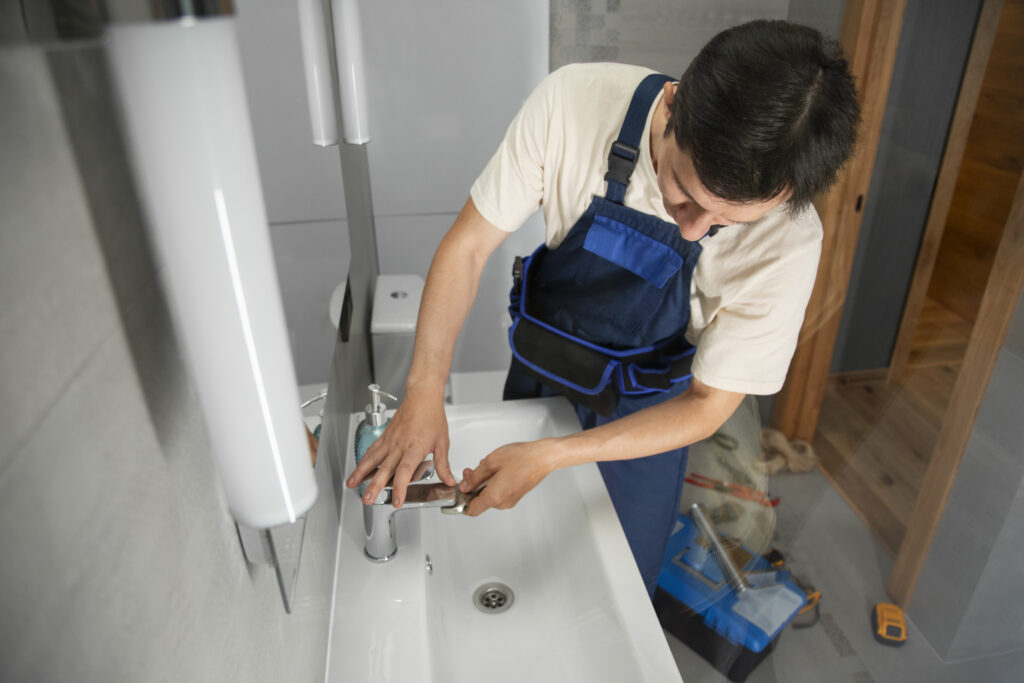
Planning a bathroom installation requires careful preparation to ensure your project runs smoothly from start to finish. From budgeting and choosing materials to designing layouts and hiring professionals, each step plays a vital role in achieving a functional and stylish bathroom.
A well-planned approach not only helps avoid costly mistakes but also ensures your new bathroom meets both practical needs and design expectations. Taking time at the beginning will save time, money, and stress later in the project.
Essential Tips for a Successful Bathroom Installation
- Set a detailed budget including materials, labour, permits, and a contingency fund of 10–20%
- Choose durable, slip-resistant materials such as porcelain or ceramic tiles
- Design a layout that maximises space and improves functionality
- Hire qualified contractors with proper licensing and strong reviews
- Ensure compliance with local building regulations and permits
These key principles form the foundation of a successful bathroom installation. Skipping any of these steps can lead to delays, increased costs, or long-term issues with your bathroom’s performance.
How to Plan Your Bathroom Installation Budget
When planning a bathroom installation, setting a realistic budget is essential to keep your project under control. Start by calculating all expected costs, including materials, labour, fixtures, and permits.
It’s important to account for hidden expenses such as pipe upgrades, drainage issues, or structural adjustments. A contingency fund of 10–20% will help cover unexpected costs without disrupting progress.
Breaking your budget into categories—such as tiles, fittings, labour, and finishing—can also make it easier to track spending and make adjustments where necessary.
Choosing the Best Materials for Your Bathroom
Selecting the right materials is crucial for both durability and long-term performance. The materials you choose will affect maintenance, safety, and the overall look of your bathroom.
Selecting Durable Tiles and Surfaces
Porcelain and ceramic tiles are among the most popular choices due to their strength, water resistance, and ease of cleaning. Larger tiles can make small spaces feel bigger, while textured finishes can improve slip resistance.
Choosing the right colour and pattern can also enhance the visual appeal and create a consistent design throughout the space.
Picking the Right Fixtures and Fittings
Fixtures such as taps, sinks, and toilets should be both functional and efficient. Water-saving options not only reduce utility bills but also support sustainability.
Modern finishes like chrome and stainless steel offer a sleek appearance, while traditional materials like brass or bronze add warmth and character. Investing in quality fixtures ensures long-term reliability.
Designing a Functional Bathroom Layout
A well-designed layout is essential for making the most of your available space during a bathroom installation.
Maximising Space Efficiently
Carefully assess your bathroom’s size and shape before deciding where to place key fixtures. Compact layouts can benefit from wall-mounted units or corner fittings to free up space.
Adding Smart Storage Solutions
Storage is often overlooked but is critical for maintaining an organised bathroom. Built-in shelves, vanity units, and recessed cabinets can help maximise storage without cluttering the room.
Improving Movement and Flow
Ensure there is enough room to move comfortably between fixtures. Good spacing improves usability and makes the bathroom feel more open and accessible.
A thoughtful layout will enhance both practicality and comfort in everyday use.
How to Choose the Right Bathroom Installer
Hiring the right professionals is one of the most important decisions in any bathroom installation project.
Key Things to Look For
- Proven experience in bathroom installations
- Proper licensing and insurance
- Strong customer reviews and references
- Clear, detailed quotations
Working with experienced professionals like MIK Plumbing Service ensures that all aspects of your installation are handled correctly, from plumbing and fittings to final finishes. A reliable contractor will also help identify potential issues early and provide effective solutions.
Understanding Permits and Building Regulations
Before starting your bathroom installation, it’s essential to understand local regulations and requirements.
Meeting Building Code Requirements
Building codes ensure that all plumbing, electrical, and safety standards are met. Following these guidelines helps protect your home and ensures long-term performance.
Applying for Necessary Permits
Depending on the scope of your project, you may need permits for plumbing, structural changes, or electrical work. Submitting plans and obtaining approvals in advance will prevent delays and avoid legal issues.
Failing to meet regulations can result in fines or the need to redo completed work, so it’s always best to stay compliant.
Final Thoughts on Bathroom Installation
A successful bathroom installation depends on careful planning, quality materials, and skilled workmanship. By setting a clear budget, designing an efficient layout, and hiring the right professionals, you can create a bathroom that is both functional and visually appealing.
Taking a structured approach ensures your project runs smoothly and delivers long-lasting results that enhance your home’s value and comfort.
Frequently asked questions
A typical bathroom installation takes one to two weeks, depending on design complexity, materials, and any plumbing or electrical work required.
You can, but it requires plumbing and electrical knowledge. Hiring professionals reduces risks and ensures compliance with regulations.
Durable materials like porcelain tiles, ceramic surfaces, and water-efficient fixtures are ideal for long-lasting performance.
Yes, depending on the work involved. Local building codes may require permits for plumbing, electrical, or structural changes.
Plan your layout carefully, set a realistic budget, choose quality materials, and hire experienced contractors to ensure a smooth process.