

A central heating system should warm a home evenly, respond predictably to the thermostat and operate
without constant adjustment. Yet many households accept one overheated room, a cold bedroom or
radiators that take much longer to warm than others. These symptoms are not always caused by an
undersized boiler. More often, they point to poor water distribution, unsuitable controls, trapped air, sludge,
incorrect settings or changes made to the property over time. Understanding the difference between
balancing and zoning helps homeowners solve the real problem instead of turning the thermostat higher
and increasing energy use. Balancing controls how hot water is shared between radiators. Zoning controls
when and where heat is delivered. Used together, they can make an existing system feel more comfortable
and responsive without immediately replacing the boiler.
What central heating balancing actually means
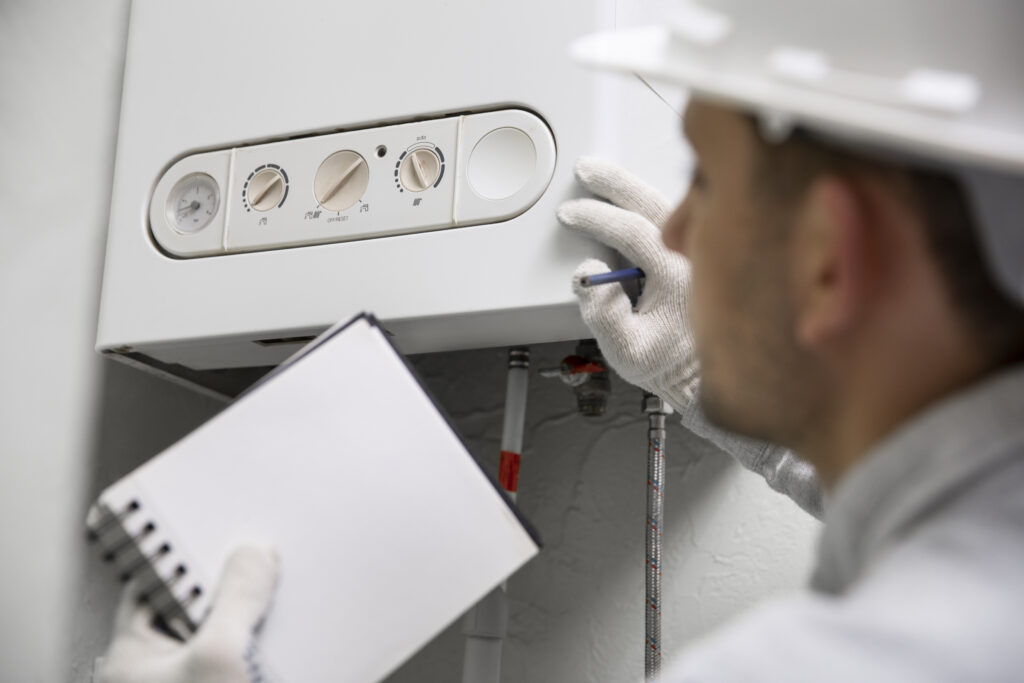
In a wet central heating system, heated water leaves the boiler, travels through pipework and passes through
radiators before returning to be reheated. Water naturally follows the easiest route. Radiators close to the
boiler or pump may receive a stronger flow, while those farther away receive less. Balancing restricts flow
through the quickest radiators so that adequate water reaches the rest of the circuit. Engineers normally
make small adjustments at the lockshield valves and compare radiator temperatures as the system warms.
The objective is not to make every radiator identical at every moment. It is to achieve a controlled
temperature drop and a reasonable warm-up time across the property. A properly balanced system can
reduce hot and cold rooms, improve boiler cycling and prevent occupants from compensating with
unnecessarily high thermostat settings.
Signs that your system may be out of balance

Uneven heating has several possible causes, so diagnosis matters. An out-of-balance system often shows a
clear pattern: radiators nearest the boiler become very hot quickly, while distant radiators remain lukewarm;
upstairs rooms heat faster than downstairs rooms; one branch of the system performs better than another;
or the boiler reaches its target temperature and switches off before the slowest rooms are comfortable. A
radiator that is cold at the top may simply contain air and need bleeding. A radiator that is cold at the
bottom is more consistent with sludge or restricted circulation. A single cold radiator may have a stuck
thermostatic radiator valve, closed lockshield, failed valve head or local blockage. Repeated pressure loss,
leaks or discoloured water require professional investigation rather than routine balancing.
Balancing is not the same as bleeding
Bleeding releases trapped air from a radiator. Balancing regulates water flow through the whole network.
Bleeding may restore heat to the upper part of a radiator, but it can also alter system pressure and should be
followed by a pressure check where appropriate. Balancing normally begins only after obvious air, valve and
circulation problems have been addressed. Attempting to balance a system containing sludge, a failing
pump or a partially closed isolation valve can disguise the fault rather than correct it. This is why a systematic
approach is more effective than opening every radiator valve fully. Fully open valves can allow the nearest
radiators to dominate the circuit and leave remote rooms colder.
How heating zones improve control

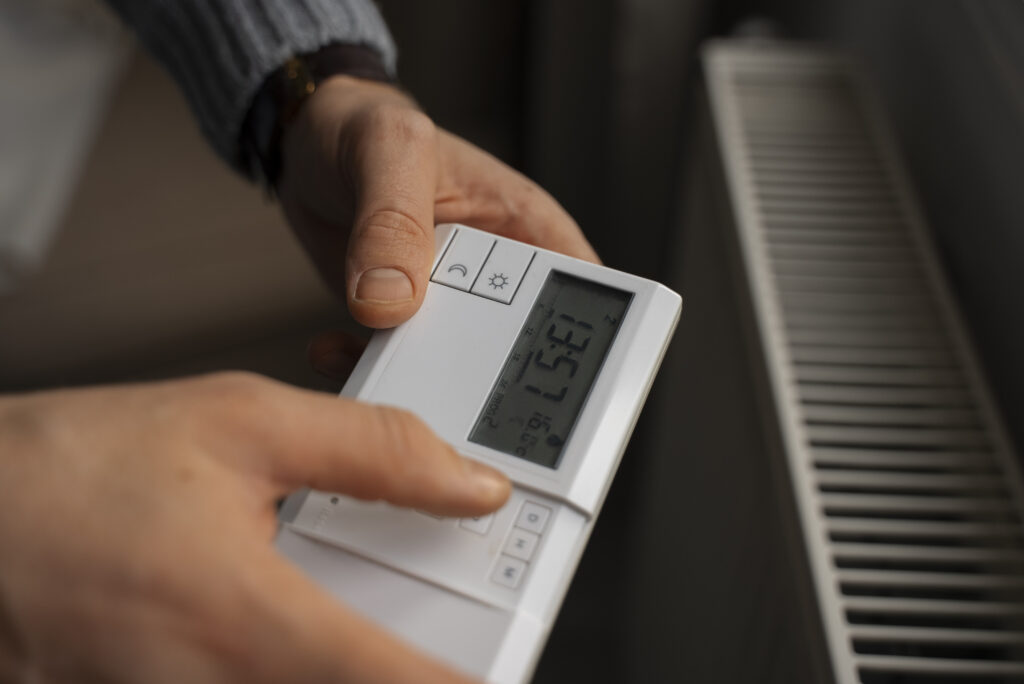
A heating zone is an area that can be controlled separately. In a simple home, thermostatic radiator valves
allow individual rooms to be turned down, while a central programmer and room thermostat control the
main heating schedule. Larger homes, extensions and properties with different occupancy patterns may
benefit from separate circuits or smart controls. For example, bedrooms may need heat at different times
from a home office or living area. Zoning can prevent the whole property being heated to satisfy one cold
space. Good zoning must be designed carefully. A room thermostat should be located where it can sense a
representative temperature and should not fight against a nearby radiator valve. Controls also need to be
compatible with the boiler and hydraulic layout. More controls do not automatically create a better system;
they must work as one coordinated arrangement.
The role of thermostatic radiator valves
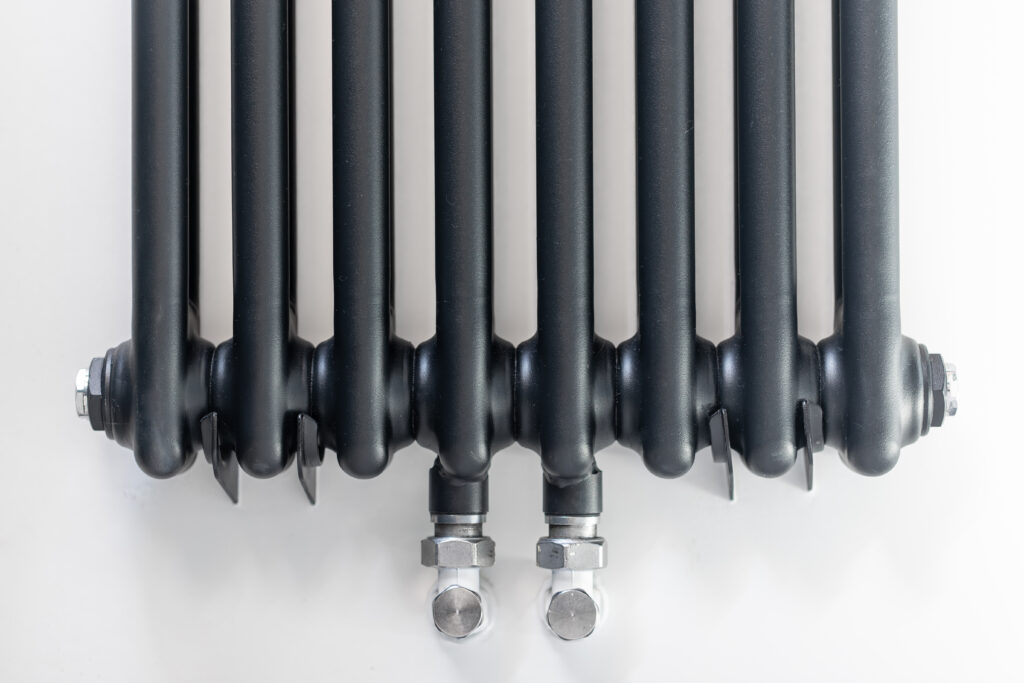
Thermostatic radiator valves, commonly called TRVs, sense the air temperature around the valve and reduce
water flow as the room warms. They are useful for setting different comfort levels in different rooms.
Hallways and spare rooms may be set lower, while frequently occupied rooms can be kept warmer. A TRV is
not a boiler on-off switch and the numbers are not exact room temperatures. Curtains, furniture, radiator
covers and draughts can affect how the valve senses heat. A stuck pin can prevent the radiator from warming,
while an incorrectly fitted or poorly positioned head can create inconsistent control. During a service visit, a
plumber can check whether the valves operate freely and whether the system has a suitable automatic
bypass or other flow protection where required.
When corrosion and sludge are the real problem
Heating System Corrosion can gradually reduce performance even when the controls appear correct. Oxygen
entering system water reacts with metal components and creates corrosion products, including magnetite.
This black material can settle in radiators, restrict valves, damage pumps and reduce heat transfer. Common
clues include cold radiator bottoms, dark water during bleeding, noisy circulation, repeated component
failures and blocked magnetic filters. MIK Plumbing already provides guidance on correcting corrosion and
MIK Plumbing power flushing, so this article focuses on the diagnostic link: a dirty system cannot be balanced accurately
until circulation is restored. Depending on the condition, treatment may involve water testing, filter cleaning,
chemical cleaning, targeted flushing, power flushing, component replacement and the correct dose of
inhibitor.
A practical professional assessment
A competent engineer will usually begin by asking when the problem started and whether any boiler,
radiator, extension or control work preceded it. The assessment may include checking boiler pressure, pump
operation, flow and return temperatures, radiator valves, filter condition, bypass arrangements and control
settings. Thermal measurements can reveal where heat is being lost or flow is restricted. If the system is
clean and mechanically sound, the engineer can balance the radiators in a controlled sequence. If the
pipework layout is fundamentally restrictive, balancing alone may not be enough. An extension connected to
undersized pipes, for example, may require hydraulic modification. The value of professional diagnosis is that
it separates adjustment problems from design faults and component failures.
Maintenance that keeps the balance
Central heating performance changes as valves wear, radiators are replaced and rooms are altered.
Preventative plumbing maintenance should therefore include more than an annual glance at the boiler.
Homeowners can periodically check for leaks, unusual pressure changes, slow radiator warm-up and new
noises. Magnetic filters should be maintained according to the system and manufacturer requirements.
Boiler Servicing & Repairs should be completed by appropriately qualified professionals, with gas work
carried out by a Gas Safe registered engineer. After a radiator is replaced, a system is flushed or valves are
changed, balancing should be reviewed. It is also sensible to check whether heating schedules still match
how the household uses the property.
Common mistakes to avoid
Turning up the boiler flow temperature may mask uneven distribution but can increase energy use and may
reduce condensing efficiency. Closing many radiator valves without considering minimum flow can create
noise or operational problems. Bleeding radiators repeatedly without finding the source of incoming air can
accelerate corrosion. Adding chemical inhibitor without testing or cleaning a badly contaminated system is
not a complete remedy. Finally, replacing the boiler before checking controls and circulation can leave the
original comfort problem unresolved. A new boiler can only perform as well as the system connected to it.
When to call MIK Plumbing
Seek professional help when radiators remain uneven after basic checks, when pressure repeatedly falls,
when water appears rusty or black, when the boiler makes unusual noises, or when valves and controls are
difficult to operate. MIK Plumbing supports homes across West Yorkshire with central heating diagnosis,
system upgrades, corrosion treatment, servicing and repairs. A measured assessment can identify whether
the best solution is balancing, control improvement, cleaning, repair or a wider system redesign.
Final thoughts
A comfortable home depends on how effectively heat is distributed, not simply on how powerful the boiler is.
Balancing gives each radiator a fair share of the available flow, while zoning gives occupants control over
where and when heat is used. Before increasing temperatures or investing in major equipment, make sure
the existing central heating system is clean, correctly controlled and hydraulically balanced. The result can be steadier comfort, quieter operation and a system that responds more efficiently to everyday needs.
Need help with plumbing, heating, gas safety or renovation work in West Yorkshire? Contact MIK Plumbing
to discuss the property, arrange an assessment and receive a clear quotation for the work required.