

If your radiators have cold spots, your boiler sounds like it is boiling pebbles, or your heating takes an unusually long time to warm the house, the culprit is almost certainly sludge. Over time, the water circulating through your central heating system breaks down metal components and creates a thick, black deposit called magnetite. Left untreated, it restricts flow, reduces efficiency, and puts your boiler under unnecessary strain.
A power flush is the most effective way to remove this build-up and restore your system to full efficiency. In this guide, MIK Plumbing based in West Yorkshire explains what the process involves, how to tell if you need one, and what you can expect to pay in 2026.
What is a power flush?
A power flush uses a high-velocity, low-pressure pump to force treated water through your central heating system at speed. The turbulent flow dislodges sludge, rust, and scale that has accumulated in your radiators, pipework, and heat exchanger. A chemical inhibitor is added to suspend the debris, which is then flushed out through a filter and disposed of safely.
The process is non-invasive. MIK Plumbing connects the pump to your system at the pump head or across a radiator and works through each radiator individually before doing a full system flush. No pipework needs to be opened.
Signs your central heating system needs a power flush
The following symptoms are strong indicators that sludge is affecting your system:
- Radiators that are cold at the bottom but warm at the top
- Noisy boiler a banging, kettling, or gurgling sound
- System takes a long time to reach full temperature
- Some radiators heat up fully while others barely warm
- Frequent boiler lockouts or pressure drops
- Dark, discoloured water when you bleed a radiator
- Higher-than-expected energy bills without a change in usage
If your system is more than five years old and has never been chemically treated, a power flush is worth considering even if symptoms are not yet severe prevention is significantly cheaper than boiler replacement.
The power flushing process: what to expect
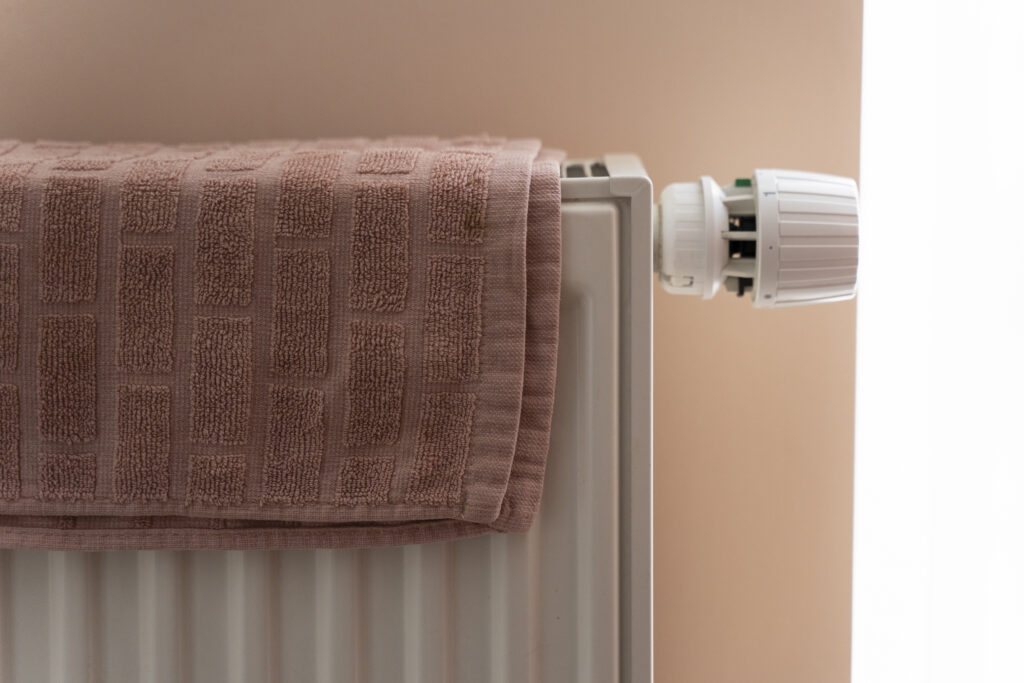
A typical power flush with MIK Plumbing follows these stages:
- Initial system assessment we check water pressure, radiator temperatures, and listen for noise indicators
- Connection of the power flush unit attached to the pump head or a convenient radiator
- Chemical addition a descaler and sludge loosener is circulated through the system
- Radiator-by-radiator flushing each radiator is isolated and flushed individually
- Full system flush high-velocity rinse to remove all loosened debris
- Inhibitor dosing a long-life inhibitor (such as Fernox F1) is added to protect the system going forward
- Final check radiator temperatures verified, system pressure checked, boiler tested
Most domestic systems in West Yorkshire take between four and eight hours, depending on the number of radiators and the severity of the build-up.
How much does a power flush cost in 2026?

Power flush pricing varies based on the number of radiators and the condition of the system. Typical 2026 costs from MIK Plumbing in West Yorkshire:
- Up to 8 radiators: from £350
- 9–12 radiators: from £450
- 13–16 radiators: from £550
- Systems with severe sludge or scale may incur an additional chemical treatment charge
These are guide prices. MIK Plumbing provides a fixed quote after a brief telephone assessment no call-out charge.
Is a power flush always the right solution?
In most cases, yes but there are situations where a power flush is not recommended. Very old pipework (pre-1970s, particularly lead or iron pipe) may be weakened by the high-velocity flow. In these cases, a chemical flush (lower pressure, longer dwell time) is a safer alternative. MIK Plumbing will advise on the best approach after assessing your system.
If your boiler is due for replacement, it is worth timing the power flush to coincide with the new installation a clean system dramatically extends the lifespan of a new boiler and is often a warranty requirement from manufacturers such as Worcester Bosch, Vaillant, and Ideal.
Protecting your system after a power flush
A power flush is not a one-time fix if the root cause is not addressed. MIK Plumbing recommends fitting a magnetic system filter (such as a Fernox TF1 or Adey MagnaClean) after the flush. This captures future debris before it can build up, protecting your boiler and extending the time between required flushes. Annual boiler servicing, which includes checking the inhibitor level, will keep the system in optimal condition.
Book a power flush in West Yorkshire. Call MIK Plumbing or message us on WhatsApp for a free telephone assessment and a fixed quote no call-out charge, no hidden costs.