
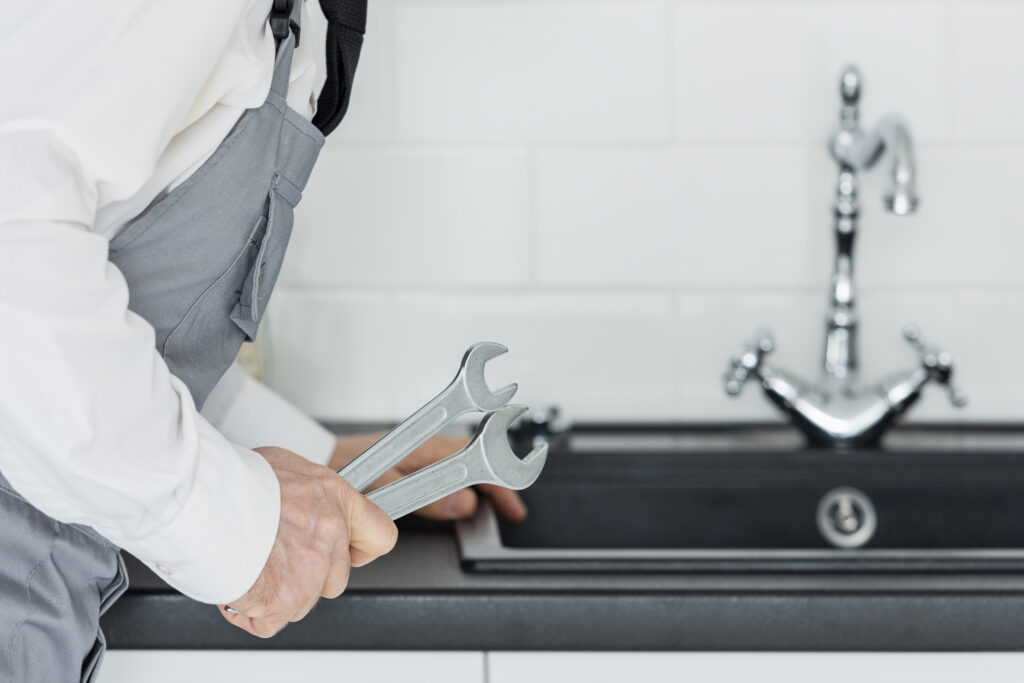
Busy family weekends can be full of laughter, food, visitors, children running around, and a lot more pressure on your home than usual. While most people plan meals, sleeping arrangements and activities, plumbing is often forgotten until something goes wrong. That is why practical home plumbing safety tips are so useful before guests arrive or before a busy weekend begins.
When more people are using your kitchen, bathrooms, toilets, showers and drains, your plumbing system has to work harder. A small issue that normally goes unnoticed can quickly turn into a blocked sink, slow-draining shower, leaking pipe or overflowing toilet. The good news is that many weekend plumbing problems can be prevented with a few simple checks and sensible habits.
Check Your Kitchen Sink Before the Weekend Starts
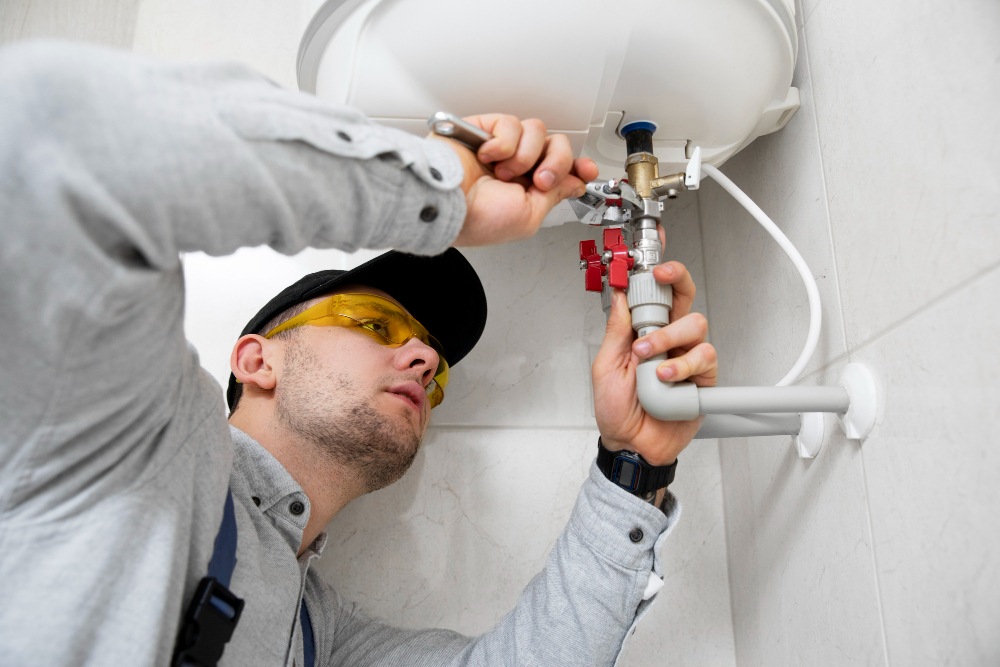
The kitchen usually becomes one of the busiest areas during family weekends. Whether you are preparing big meals, washing dishes or cleaning up after guests, your sink and drains will be used far more than usual.
Before the weekend begins, run hot water through the kitchen sink for a few minutes. This can help move small amounts of grease, soap residue and food debris. If the water drains slowly, do not ignore it. A slow-draining sink is often an early warning sign of a blockage forming inside the pipe.
Avoid pouring cooking oil, fat or grease down the sink. Even if it looks liquid when hot, it can cool and harden inside the pipe. Over time, this creates a sticky layer that catches food particles and causes blockages. Instead, let grease cool in a container and put it in the bin.
Food scraps should also stay out of the drain. Rice, pasta, tea leaves, coffee grounds, vegetable peelings and eggshells can all cause problems. Use a sink strainer to catch small pieces of food, especially when several people are helping in the kitchen.
If children are helping with washing up, remind them not to push food into the plughole. A simple reminder can prevent a blocked sink later in the day.
Be Careful With Bathroom Use
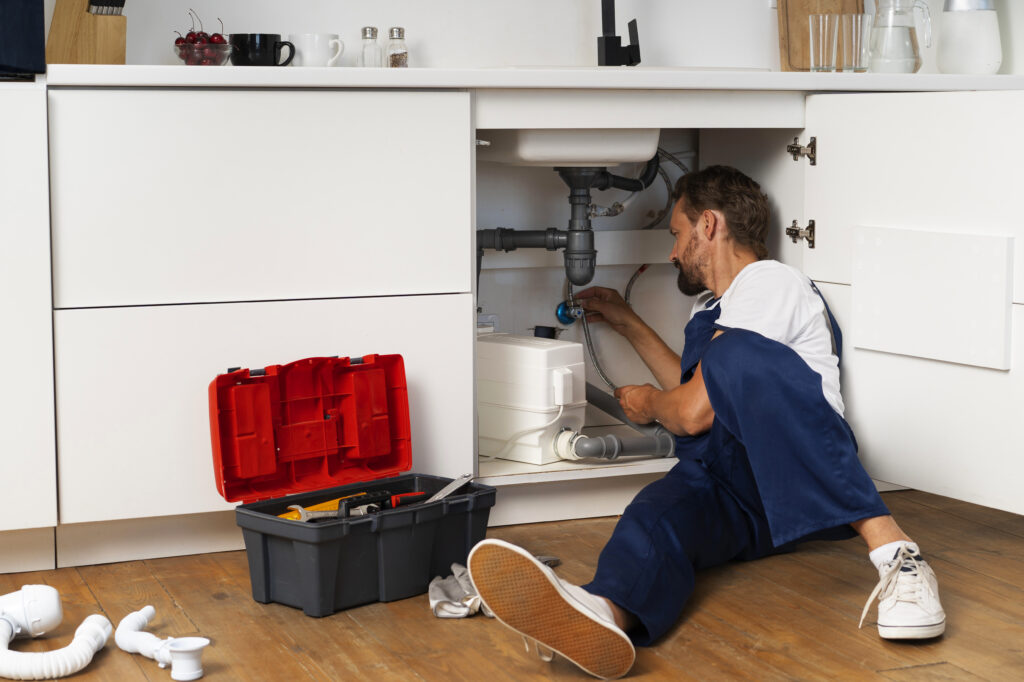
Bathrooms are another area that can quickly become overwhelmed during a busy weekend. Extra showers, repeated toilet use, children brushing teeth, guests washing up and more towels being used can all put pressure on your plumbing.
One of the simplest home plumbing safety tips is to check your bathroom drains before guests arrive. Run water in the sink, bath and shower. If the water takes longer than usual to disappear, there may already be a partial blockage.
Hair is one of the most common causes of bathroom drain problems. Use a drain cover in the shower or bath to catch hair before it enters the pipe. This is especially useful when several guests are staying overnight and using the same bathroom.
Avoid flushing anything other than toilet paper. Wet wipes, cotton pads, nappies, sanitary products, tissues and paper towels should never go down the toilet. Even wipes labelled as flushable can cause blockages because they do not break down as easily as toilet paper.
If you have young children in the house, keep small toys and bathroom items away from the toilet. Children may accidentally drop or deliberately flush objects, which can cause serious blockages.
Prepare Toilets for Extra Use
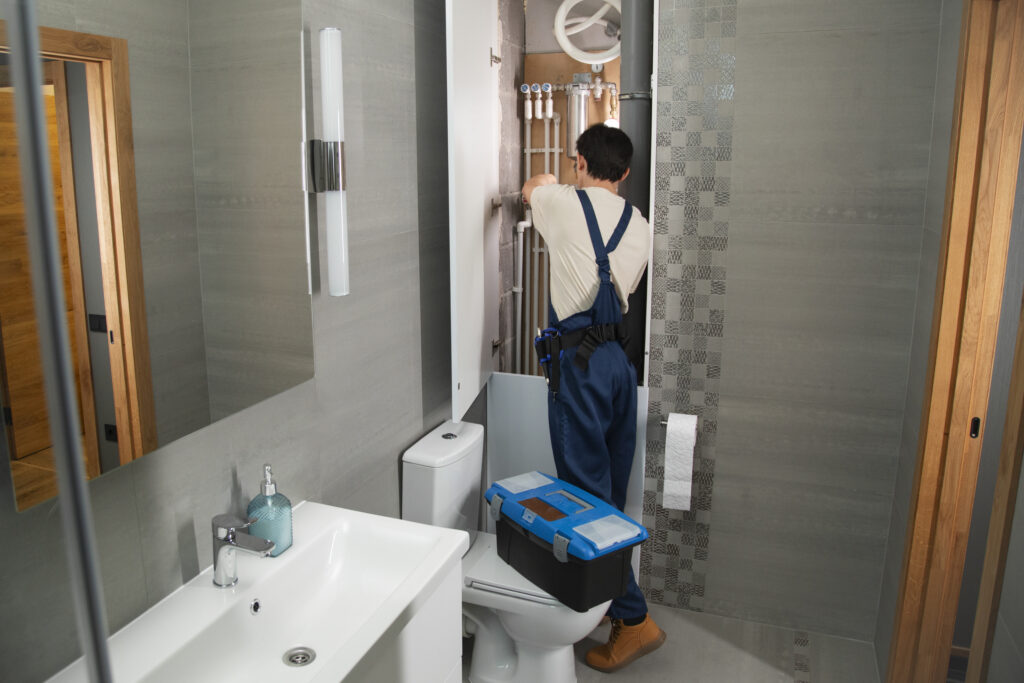
During family weekends, toilets can be used many more times than usual. A toilet that already has a weak flush, slow refill or slight blockage may struggle with the extra demand.
Before guests arrive, flush each toilet and listen carefully. The flush should be strong, and the cistern should refill normally. If the toilet water rises too high before going down, this could mean there is a blockage starting.
Keep a bin in every bathroom so guests have somewhere to dispose of wipes, cotton wool, sanitary products and other items. This simple step can reduce the chance of people flushing the wrong things.
It is also sensible to keep a plunger nearby, especially if you are hosting several people. A minor toilet blockage can often be dealt with quickly if you catch it early. However, if the toilet keeps blocking, smells bad, leaks at the base or makes gurgling sounds, it is better to call a professional plumber.
Protect Drains From Weekend Waste
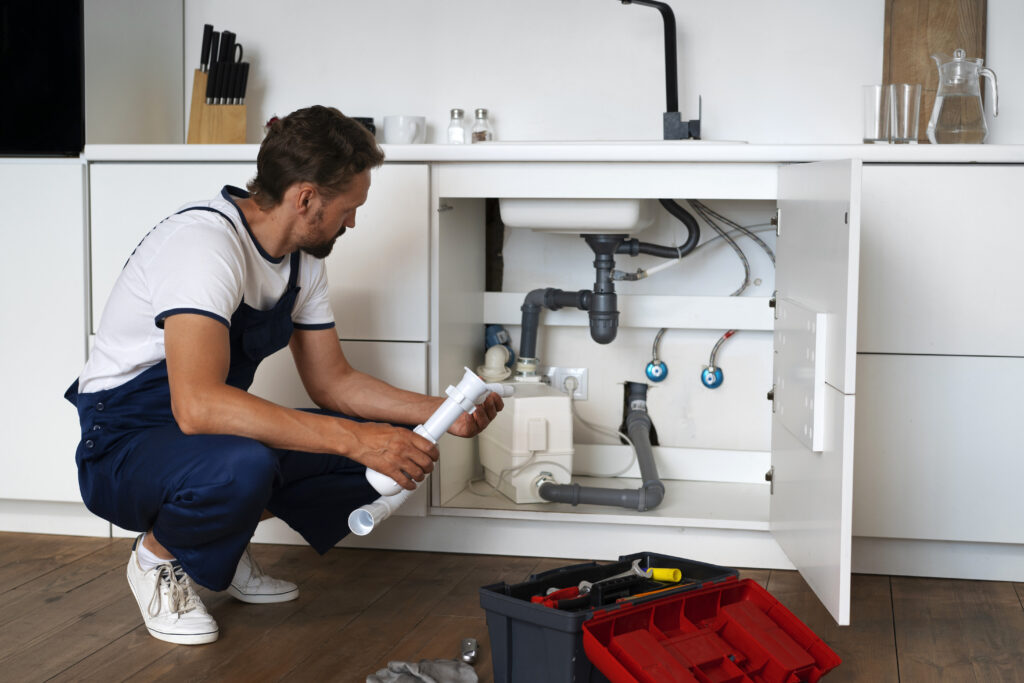
Drains often suffer during busy family gatherings because they receive more waste than usual. Kitchen drains deal with food and grease, bathroom drains deal with hair and soap, and outside drains may handle extra water from cleaning, garden use or bad weather.
A blocked drain can cause unpleasant smells, slow drainage and even water backing up into sinks, baths or showers. To reduce the risk, avoid treating drains like bins.
In the kitchen, scrape plates into the bin before washing them. In the bathroom, remove hair from drain covers regularly. Outside, check that drain covers are clear of leaves, mud and rubbish.
If you notice a bad smell coming from a drain, do not cover it up with air freshener and ignore it. Smells can be a sign of trapped waste, stagnant water or a developing blockage. Acting early can stop the problem from becoming more serious.
Keep Children Safe Around Plumbing Fixtures
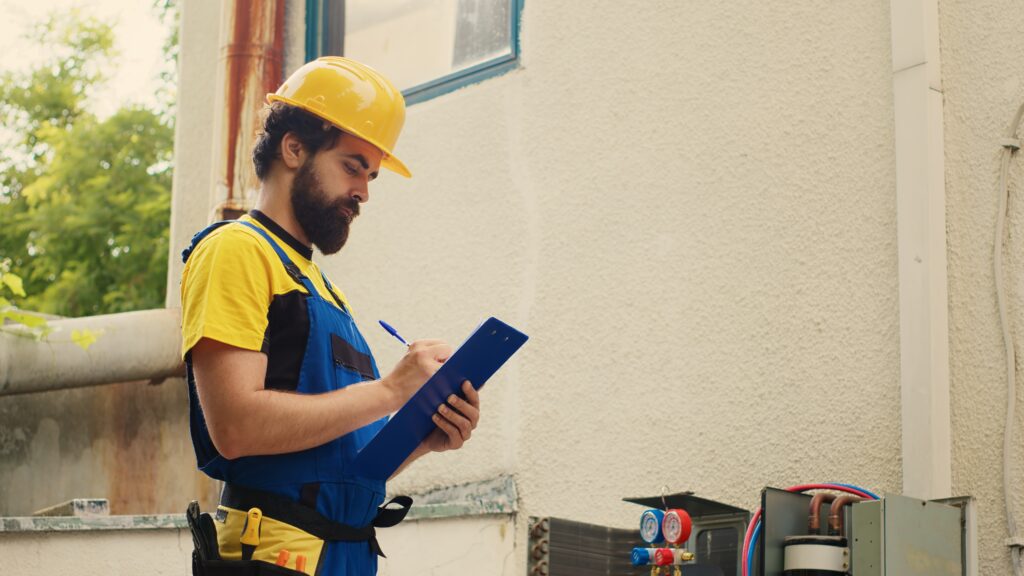
Children are curious, and plumbing fixtures can become part of their play if they are not supervised. Taps, toilets, showers, pipes and plugholes may seem harmless, but they can cause problems if used incorrectly.
Teach children not to put toys, tissue, food or small objects into toilets or drains. It helps to explain that sinks and toilets are not bins. If they are old enough to understand, make it clear that only water, soap and toilet paper should go where they belong.
Check that hot water taps are not left running. Children may forget to turn taps off properly, which can waste water and increase the risk of overflow. If you have younger children visiting, it is worth checking bathrooms and cloakrooms regularly throughout the day.
Also make sure cleaning chemicals and drain products are kept safely out of reach. Chemical drain cleaners can be dangerous, especially around children. They can also damage pipes if used incorrectly. For recurring blockages, professional inspection is safer and more reliable.
Watch for Signs of Leaks
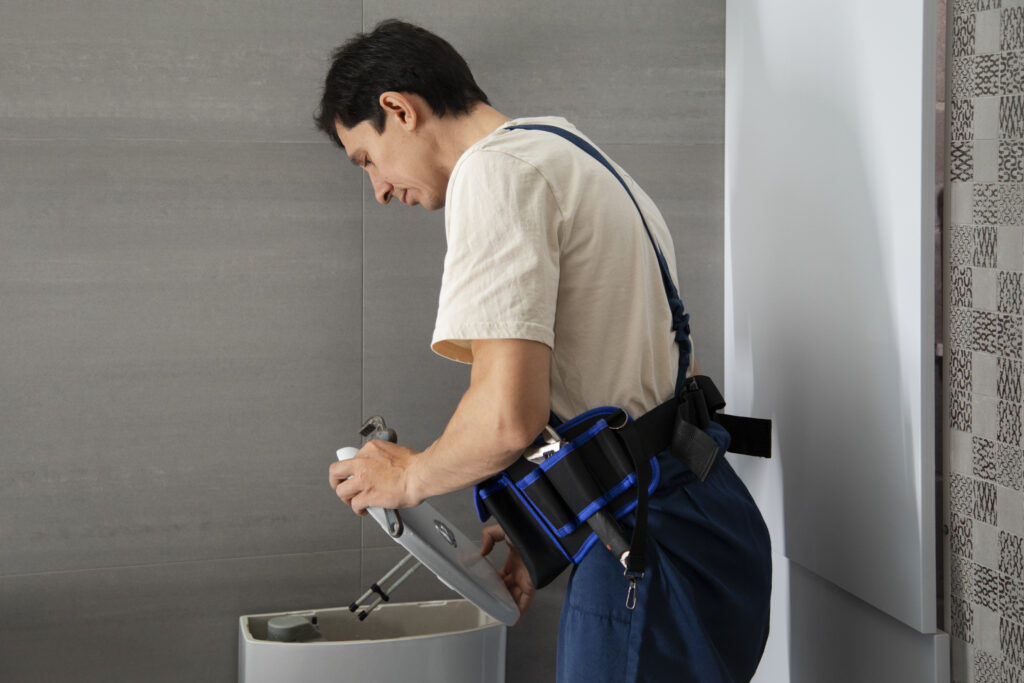
A small leak can become more noticeable when your home is busy. More people using taps, showers and toilets means more water moving through your system.
Before the weekend, check under kitchen and bathroom sinks. Look for damp patches, water stains, dripping pipes or musty smells. Also check around toilets, radiators and visible pipework.
A leak does not always appear as a clear drip. Sometimes the signs are subtle, such as peeling paint, swollen cupboards, damp flooring or a sudden drop in water pressure.
If you spot a leak, do not wait until after the weekend to deal with it. Water damage can spread quickly, especially in cupboards, under flooring and behind walls. Turning off the water supply to the affected fixture may help temporarily, but a plumber should inspect the issue properly.
Avoid Overloading the Washing Machine and Dishwasher
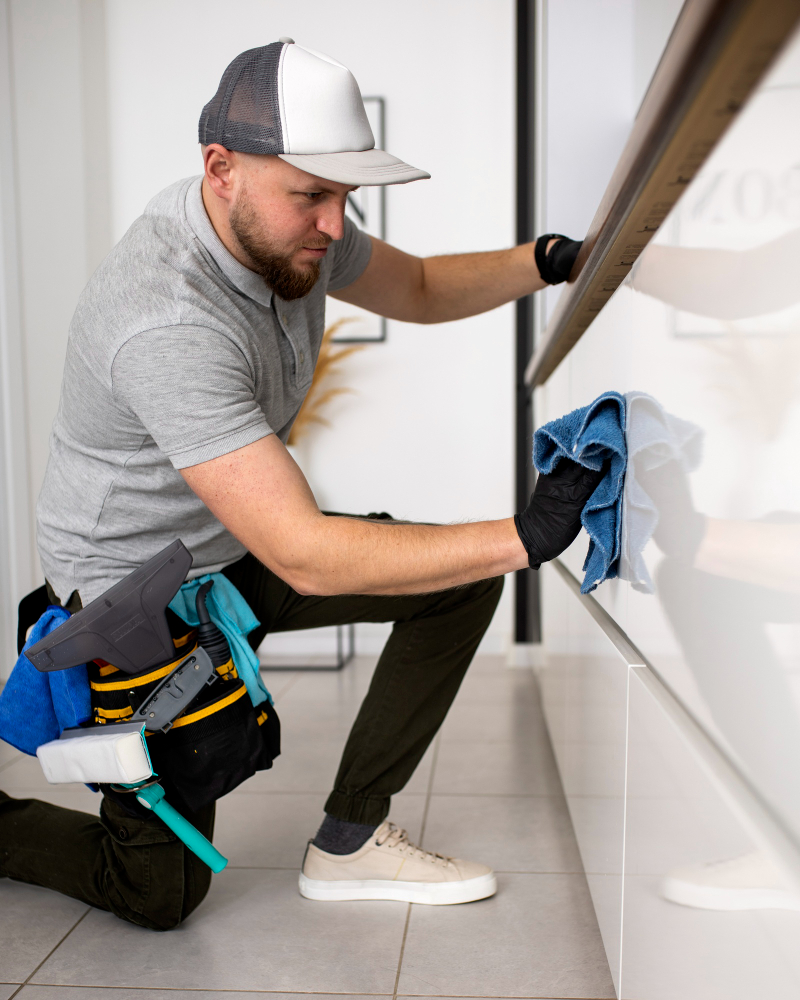
During family weekends, washing machines and dishwashers are often used more than usual. Extra bedding, towels, plates, glasses and cooking equipment can lead to repeated cycles.
Check that appliance hoses are secure and not kinked. A loose or damaged hose can cause leaks or flooding. If your dishwasher or washing machine has been making unusual noises, draining slowly or leaving water behind, it may already need attention.
Try not to run too many water-heavy appliances at the same time, especially if your home has older plumbing. For example, avoid running the dishwasher, washing machine and multiple showers all at once if your system struggles with water pressure.
Give appliances enough time to finish properly and check around them after use. A small puddle near a washing machine or dishwasher should never be ignored.
Keep Guests Informed Without Making It Awkward
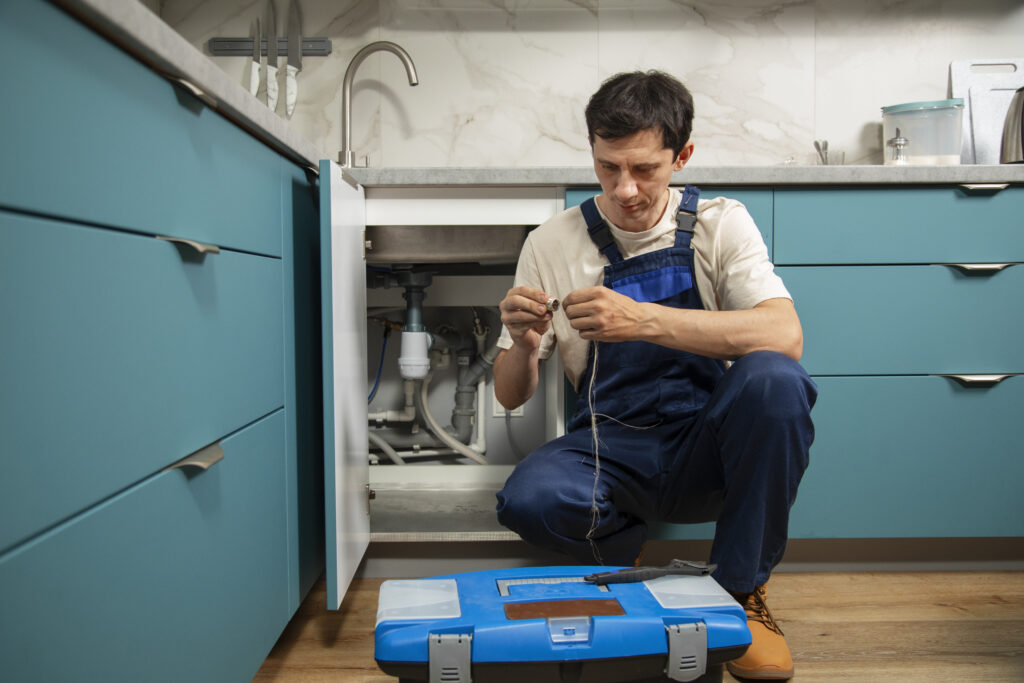
If you are hosting visitors, you do not need to give them a full plumbing lecture. However, small reminders can help prevent problems.
For example, placing a bathroom bin in a visible position makes it clear that non-flushable items should go there. A small sign near the toilet can politely remind guests not to flush wipes or sanitary products.
In the kitchen, if people are helping with washing up, ask them to scrape plates before placing them in the sink. If you have a known sensitive drain or older plumbing system, it is better to be honest than to deal with a blockage later.
Guests usually appreciate clear instructions when they are simple and polite.
Know Where Your Stopcock Is
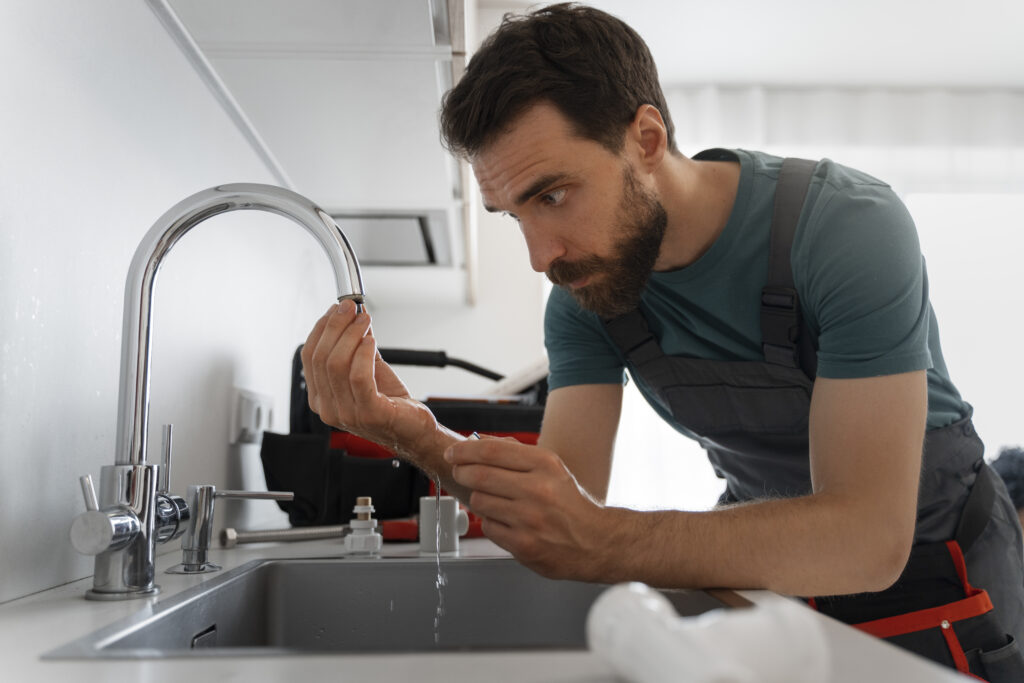
Every homeowner should know where the main stopcock is located. This controls the water supply to your property. If a pipe bursts, a tap breaks or a serious leak appears, turning off the water quickly can reduce damage.
Before a busy weekend, check that you know where the stopcock is and that it turns properly. Common locations include under the kitchen sink, in a utility room, near the front door, in a cupboard or under the stairs.
If the stopcock is stiff or difficult to turn, it may need attention. In an emergency, you do not want to discover that you cannot shut off the water.
It is also useful for another adult in the home to know where it is, especially if you are busy with guests or away from the house for a short time.
Do Not Ignore Small Plumbing Problems
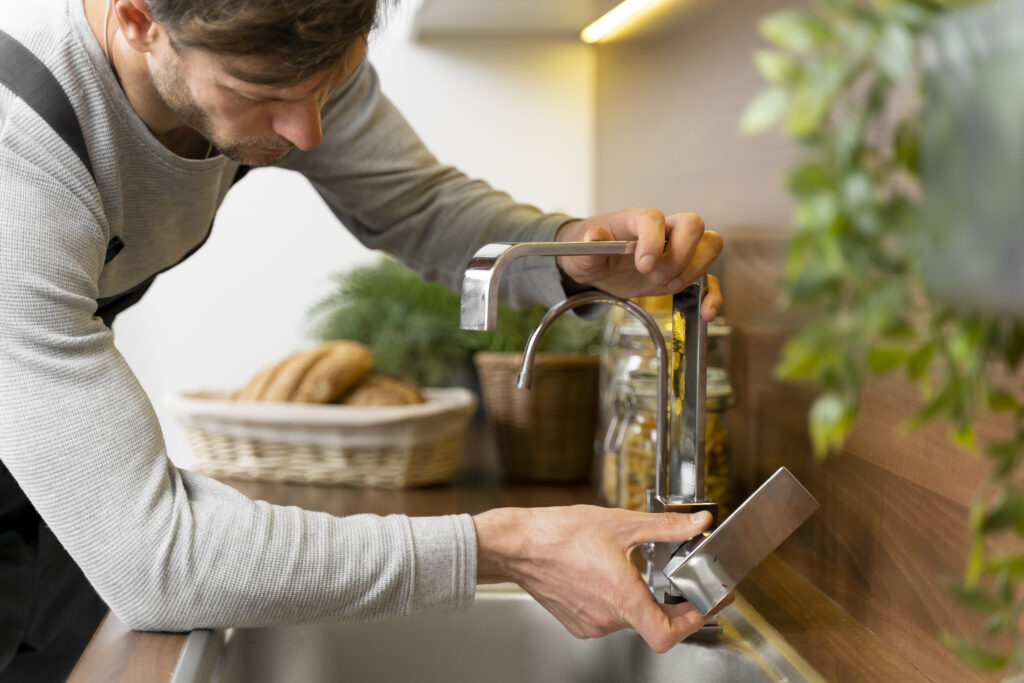
Small plumbing issues often become bigger during busy weekends. A slow drain, weak flush, dripping tap or small leak may seem manageable during normal daily life, but extra use can make the problem worse.
If you already know there is an issue, it is better to sort it before family arrives. Waiting until the house is full of people can make the situation more stressful and inconvenient.
Common warning signs include:
- Slow-draining sinks, baths or showers.
- Gurgling sounds from drains or toilets.
- Bad smells from plugholes.
- Low water pressure.
- Water stains on walls, ceilings or cupboards.
- Toilets that block often.
- Taps that continue dripping after being turned off.
These signs should not be ignored, especially before a busy weekend.
Prevention Is Easier Than Emergency Repair
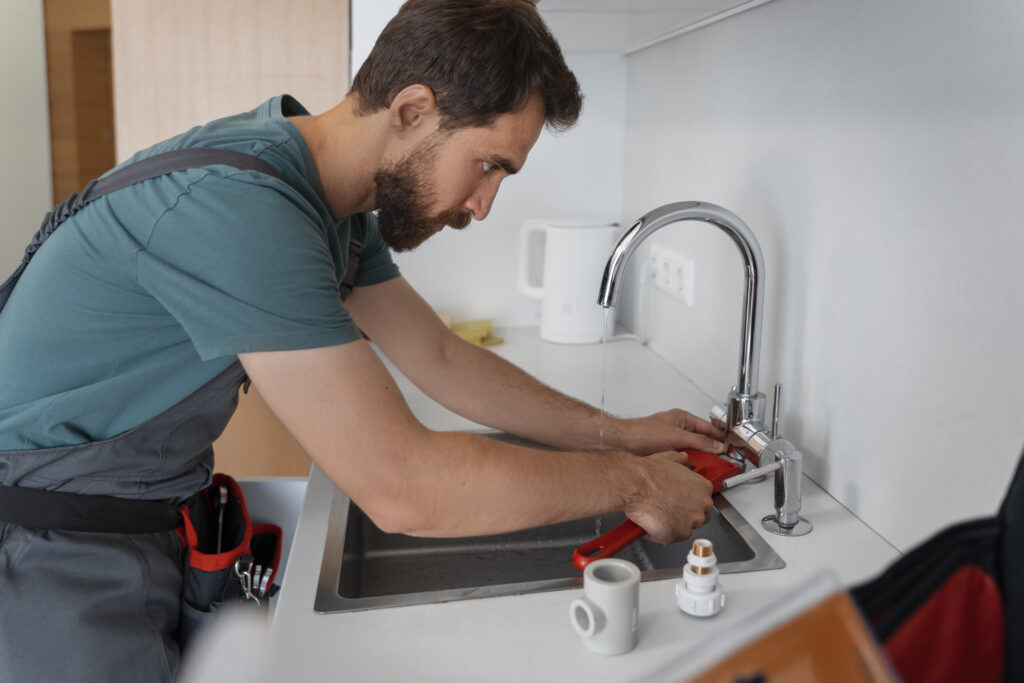
The best way to keep your plumbing safe during busy family weekends is to think ahead. A few checks before guests arrive can save you from blocked drains, overflowing toilets, leaks and emergency callouts.
Keep food waste, grease, wipes, hair and small objects away from drains and toilets. Check your sinks, bathrooms and appliances. Make sure children understand basic rules. Keep bins available, use drain covers and know where your stopcock is.
Plumbing problems are never convenient, but they are especially stressful when your home is full of family and guests. With the right prevention steps, you can enjoy the weekend without worrying about blocked sinks, bathroom issues or unexpected leaks.
If you want peace of mind before a busy family weekend, professional help is always worth considering.
Need help? MIK Plumbing can inspect and repair your system, helping you prevent small plumbing problems from becoming major disruptions.