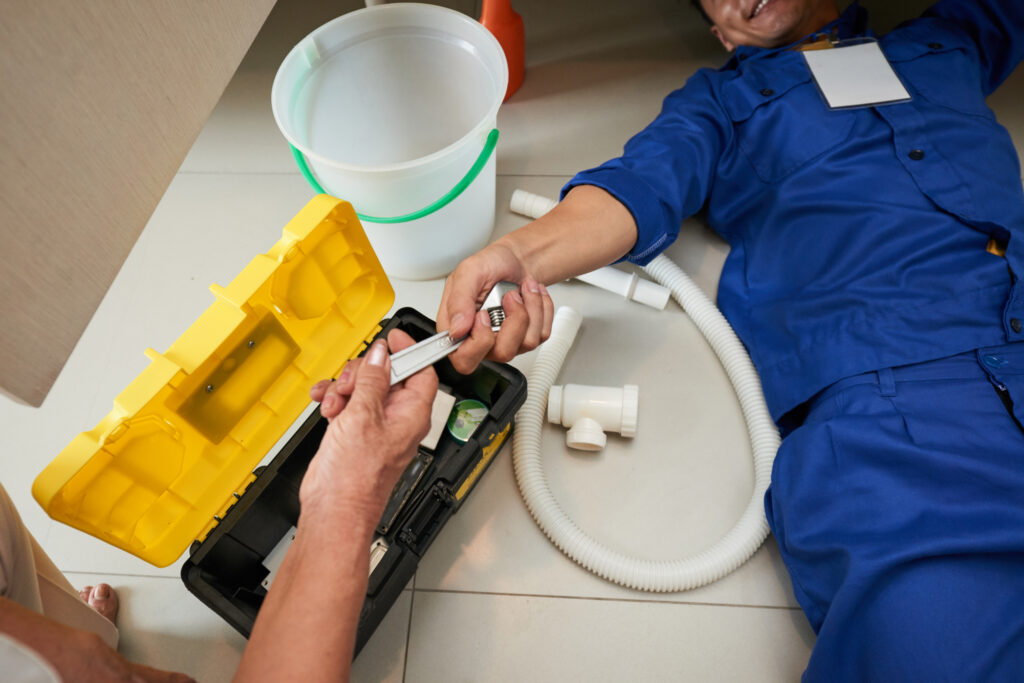
When preparing a rental property for new tenants, many landlords focus on decorating, safety certificates, and general cleaning. However, plumbing is one of the most important areas to inspect before handing over the keys. Even a small plumbing issue can quickly turn into a major problem, leading to property damage, unhappy tenants, and unexpected repair costs.
Carrying out proper landlord plumbing checks before tenants move in helps ensure the property is safe, functional, and ready for occupancy. It also reduces the chances of emergency callouts and long-term maintenance issues.
At MIK Plumbing, we help landlords and letting agents keep rental properties in excellent condition with professional plumbing inspections and maintenance services.
Why Landlord Plumbing Checks Matter
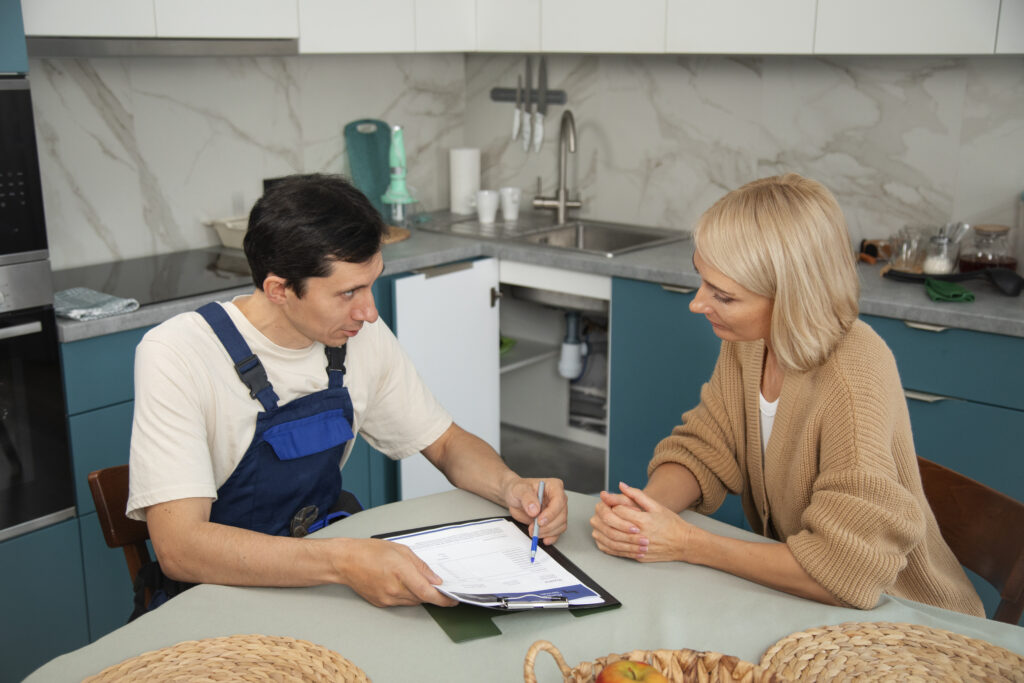
A plumbing system is used every single day. From flushing toilets and running taps to showers, washing machines, and kitchen sinks, tenants rely heavily on properly functioning plumbing.
Ignoring plumbing inspections before a tenancy begins can lead to:
- Water leaks and structural damage
- Mould and damp problems
- Low water pressure complaints
- Blocked drains
- High water bills
- Emergency repair costs
- Tenant dissatisfaction
Regular landlord plumbing checks help identify hidden issues early and protect both the property and the landlord’s investment.
1. Check All Taps and Fixtures
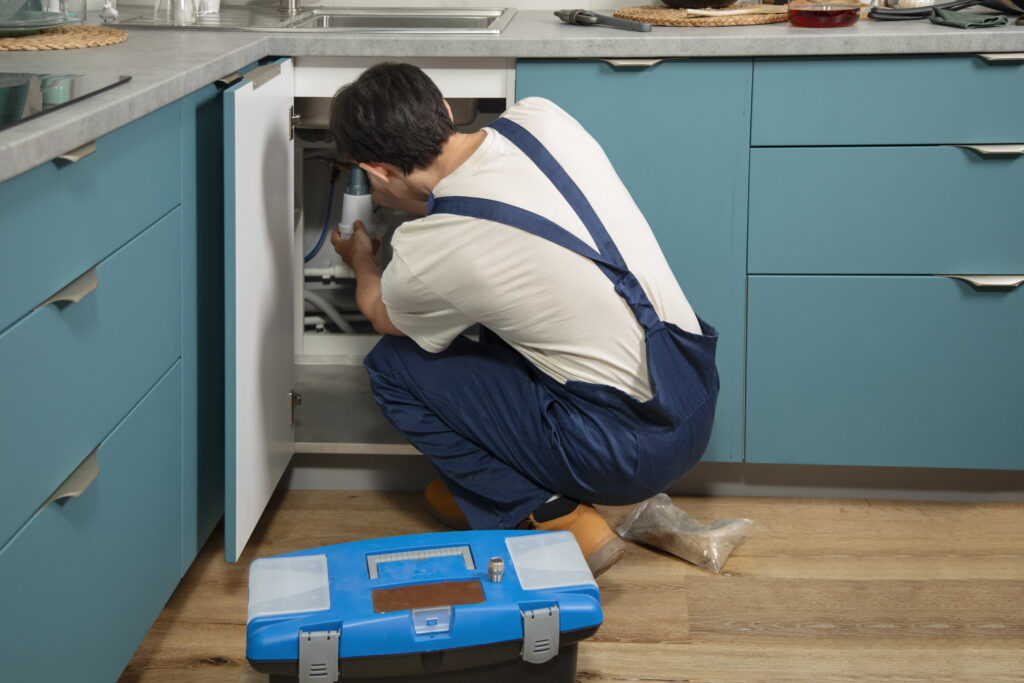
One of the first things landlords should inspect is every tap and water fixture throughout the property.
What to Look For
Inspect:
- Kitchen taps
- Bathroom basin taps
- Bath taps
- Utility room taps
- Outdoor taps
During the inspection, check for:
- Dripping taps
- Loose fittings
- Corrosion
- Rust around joints
- Uneven water flow
- Noisy pipework when taps are turned on
Even a slow drip can waste a significant amount of water over time and increase utility costs.
Hot and Cold Water Supply
Ensure both hot and cold water run properly from every outlet. Delays in hot water delivery or inconsistent temperatures may indicate boiler or pipework issues that should be addressed before tenants move in.
2. Inspect Toilets Carefully
Toilets are among the most frequently used fixtures in any rental property, making them a critical part of landlord plumbing inspections.
Key Toilet Checks
Inspect each toilet for:
- Continuous running water
- Weak flushing
- Leaks around the base
- Cracks in the bowl or cistern
- Loose toilet seats
- Slow refilling cisterns
Flush the toilet multiple times to confirm it works efficiently and consistently.
Hidden Toilet Leaks
Some toilet leaks are not immediately visible. Check behind the toilet and around pipe connections for moisture or staining. Hidden leaks can cause floor damage and mould growth if left unresolved.
3. Test Water Pressure Throughout the Property
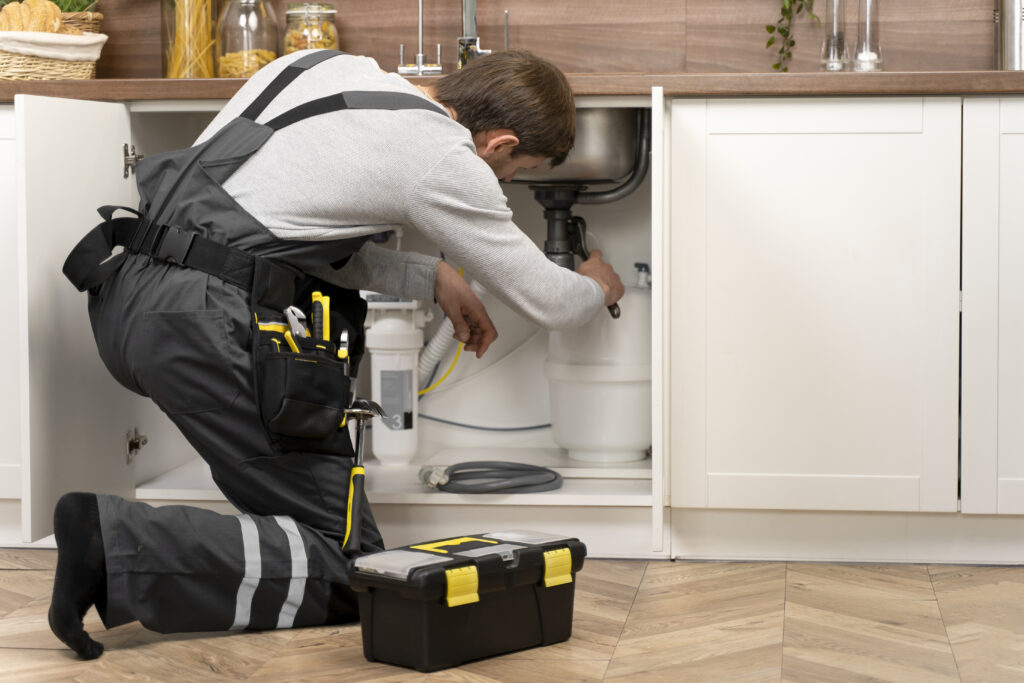
Low water pressure is one of the most common complaints tenants make after moving into a property.
Why Water Pressure Matters
Poor water pressure can affect:
- Showers
- Kitchen taps
- Washing machines
- Dishwashers
- General daily comfort
Landlords should test water pressure at every tap and shower before new tenants arrive.
Common Causes of Low Pressure
Issues may include:
- Pipe blockages
- Corroded pipework
- Faulty pressure regulators
- Leaks within the plumbing system
- Shared supply issues
If pressure is inconsistent between floors or rooms, it’s best to arrange a professional plumbing inspection.
4. Examine Drains and Waste Pipes
Blocked or slow drains can quickly become a major inconvenience for tenants.
Areas to Inspect
Check:
- Kitchen sink drains
- Bathroom sinks
- Bathtubs
- Shower drains
- External drainage systems
Run water through each drain and observe how quickly it clears.
Warning Signs of Drain Problems
Look for:
- Slow drainage
- Bad odours
- Gurgling sounds
- Water backing up
- Overflowing external drains
Kitchen drains are especially prone to grease buildup, while bathroom drains commonly collect hair and soap residue.
Professional drain cleaning before tenants move in can help prevent future blockages and complaints.
5. Look for Visible and Hidden Leaks
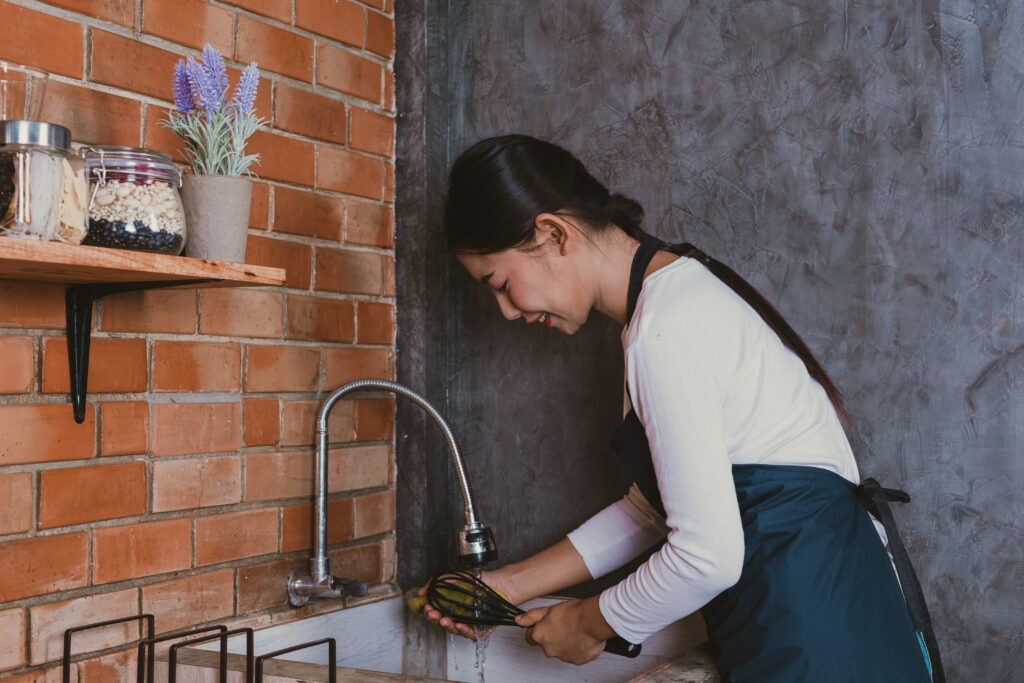
Leaks are one of the most damaging plumbing problems in rental properties.
Common Leak Locations
Inspect:
- Under sinks
- Around toilets
- Pipe joints
- Behind washing machines
- Near boilers
- Around radiators
- Ceilings below bathrooms
Even small leaks can cause:
- Damp patches
- Rotting wood
- Mould growth
- Ceiling damage
- Increased water bills
Signs of Hidden Plumbing Leaks
Watch for:
- Water stains
- Bubbling paint
- Musty smells
- Damp flooring
- Unexplained mould
Professional plumbers use specialist tools to detect hidden leaks before they become serious problems.
6. Inspect the Water Heater and Boiler
A reliable hot water system is essential for tenant comfort.
Boiler Checks for Landlords
Ensure the boiler:
- Operates correctly
- Produces consistent hot water
- Maintains proper pressure
- Shows no warning lights or faults
- Has been recently serviced
Although a Gas Safety Certificate is legally required for gas appliances, landlords should also ensure the overall plumbing system connected to the boiler is functioning efficiently.
Check for Leaks Around the Boiler
Inspect the area around the boiler for:
- Water pooling
- Corrosion
- Dripping pipes
- Pressure drops
Any unusual noises or pressure fluctuations should be investigated immediately.
7. Inspect Pipes for Damage or Corrosion
Pipework condition plays a major role in plumbing reliability.
What to Look For
Check exposed pipes for:
- Corrosion
- Rust
- Green staining
- Cracks
- Poor insulation
- Loose fittings
Older properties may still contain ageing pipework that could fail under pressure.
Winter Protection
If the property may remain vacant during colder months, ensure pipes are properly insulated to reduce the risk of frozen or burst pipes.
8. Check Showers and Baths
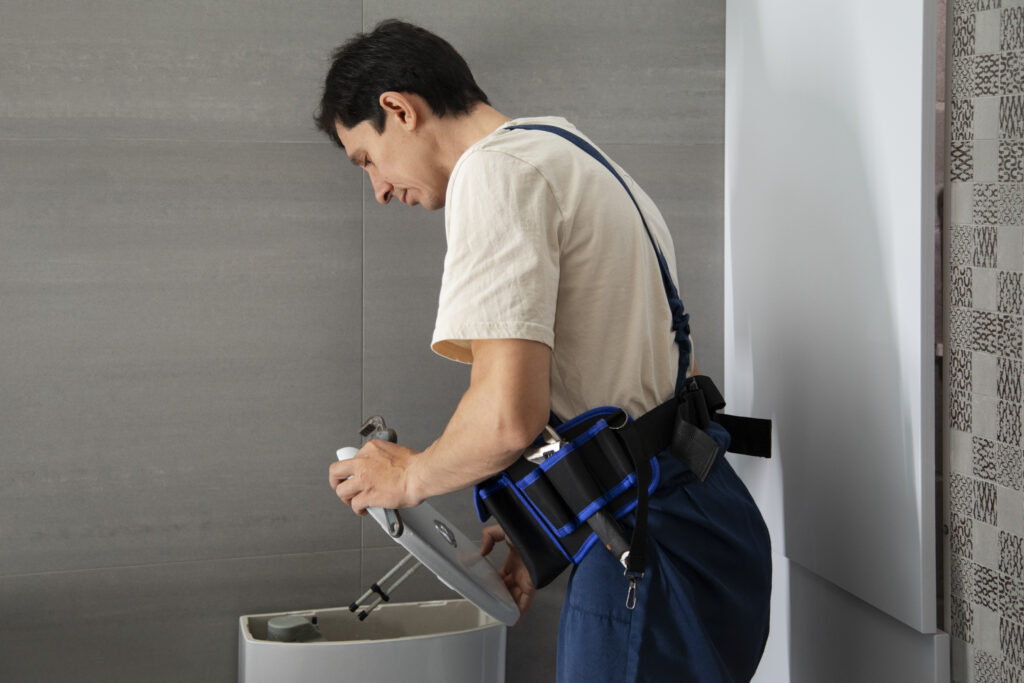
Bathrooms are high-moisture environments, making plumbing inspections especially important.
Shower Inspection Checklist
Test:
- Water pressure
- Temperature consistency
- Drainage speed
- Showerhead condition
- Sealant around trays and baths
Bath Inspection
Check the bath for:
- Leaks underneath
- Damaged silicone seals
- Overflow issues
- Cracks or movement
Failed seals around baths and showers can allow water to seep into walls and floors, leading to expensive repairs.
9. Inspect Appliance Connections
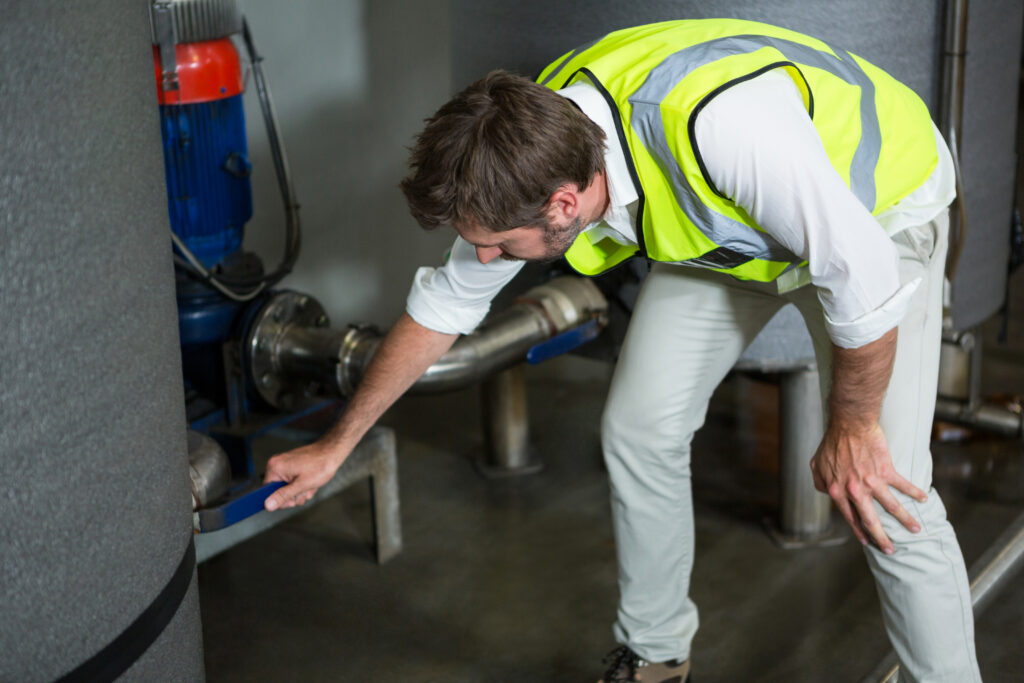
Rental properties often include appliances connected to the plumbing system.
Appliances to Check
Inspect plumbing connections for:
- Washing machines
- Dishwashers
- Fridges with water dispensers
Ensure hoses and valves are secure and leak-free.
Old appliance hoses are a common source of flooding in rental homes.
10. Ensure Stopcocks Are Accessible
Every rental property should have a clearly accessible stopcock.
Why This Matters
In the event of a leak or burst pipe, tenants should be able to quickly shut off the water supply to minimise damage.
Landlords should:
- Confirm the stopcock works properly
- Show tenants where it is located
- Ensure it is not blocked or difficult to access
Benefits of Professional Landlord Plumbing Inspections
While landlords can perform basic visual checks, a professional inspection provides much greater peace of mind.
Professional Inspections Can Help:
- Identify hidden leaks
- Detect pressure issues
- Prevent future plumbing emergencies
- Protect the property from water damage
- Improve tenant satisfaction
- Reduce long-term maintenance costs
Professional plumbers also know how to spot early warning signs that may be missed during a general property inspection.
Plumbing Problems Can Impact Tenant Retention
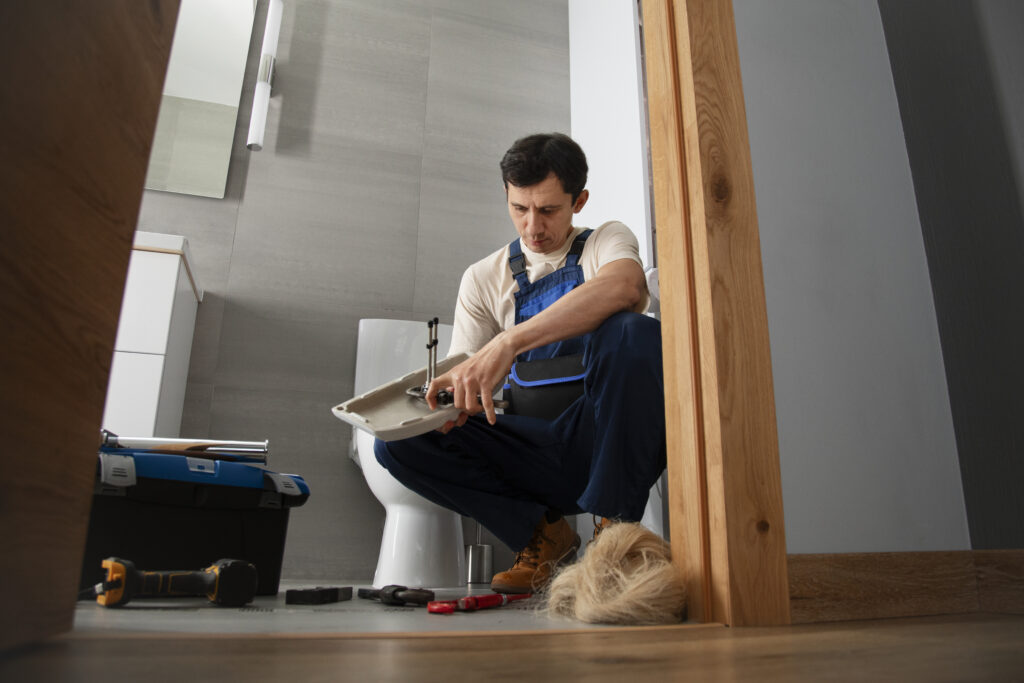
Good tenants expect a property to be fully functional from day one. Plumbing issues shortly after move-in can create frustration and damage landlord-tenant relationships.
By completing thorough landlord plumbing checks before occupancy, landlords demonstrate professionalism and reduce the likelihood of complaints and repair disputes.
A well-maintained plumbing system can also help encourage longer tenancies and better reviews from tenants.
How Often Should Landlords Arrange Plumbing Checks?
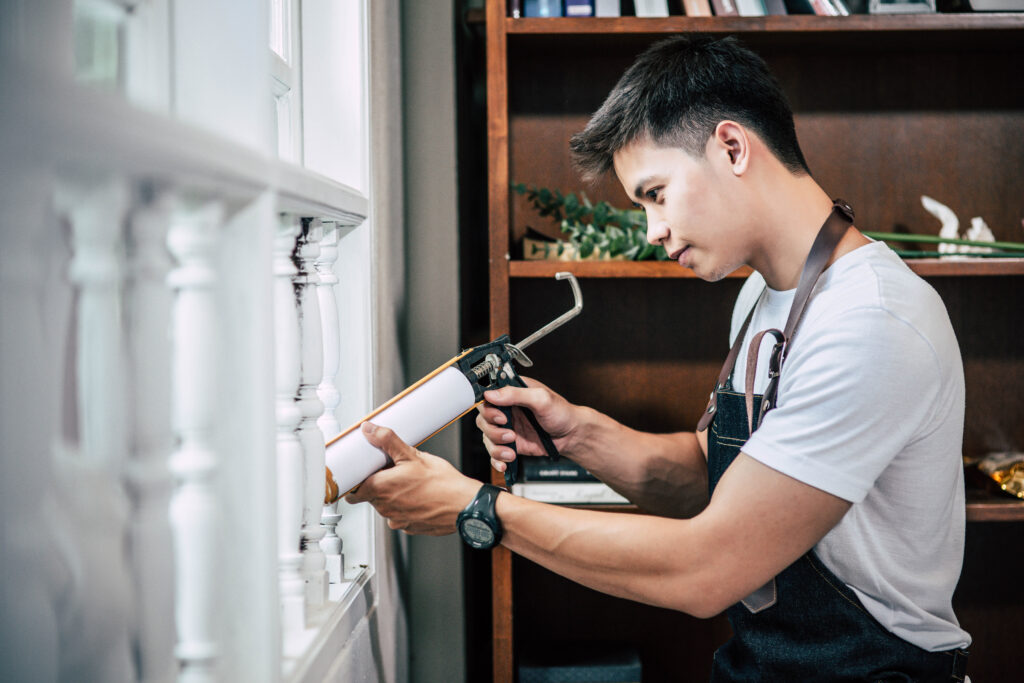
It’s recommended to carry out plumbing inspections:
- Before every new tenancy
- During annual property inspections
- After major plumbing repairs
- Before winter
- If previous tenants reported plumbing issues
Routine maintenance is far more affordable than dealing with emergency plumbing failures.
Choose MIK Plumbing for Reliable Landlord Plumbing Checks
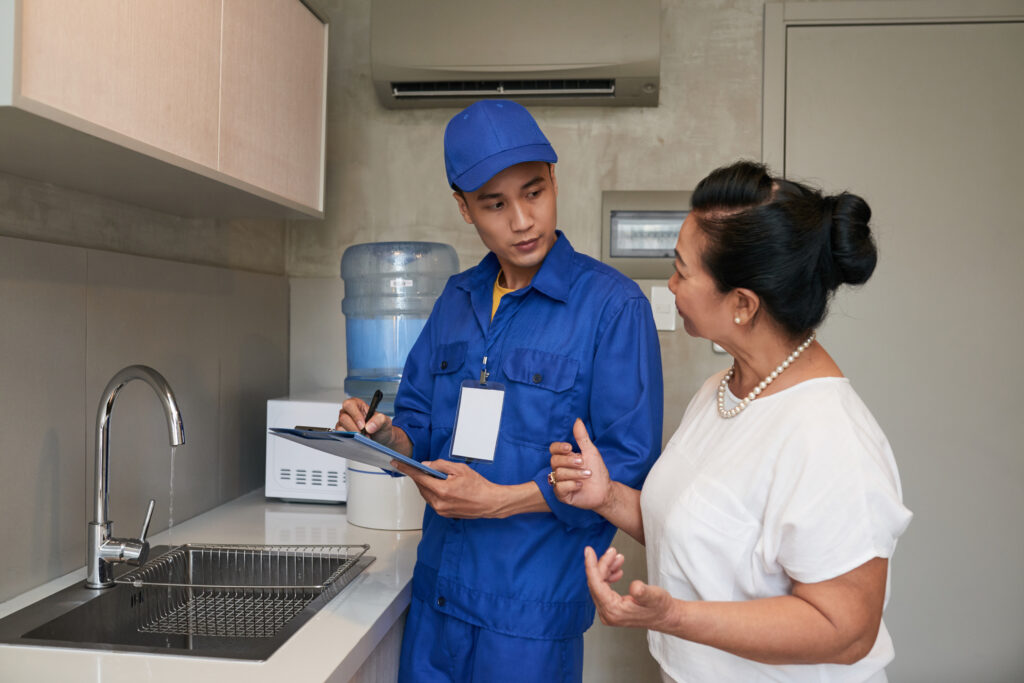
At MIK Plumbing, we provide professional plumbing services for landlords, letting agents, and property managers. From leak detection and drain inspections to water pressure testing and plumbing maintenance, our experienced team helps ensure rental properties are ready for tenants.
We understand the importance of fast, reliable service and preventative maintenance for rental properties.
Whether you manage a single property or an entire portfolio, we can help keep your plumbing system running smoothly.
Arrange a Landlord Plumbing Inspection Today
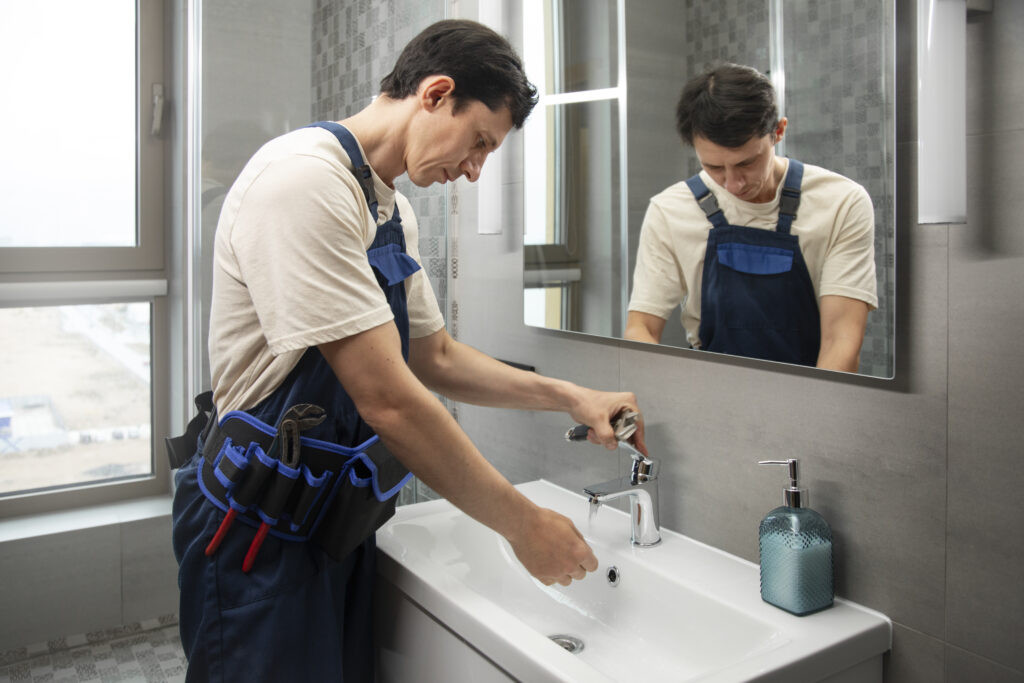
Don’t wait for tenants to discover plumbing problems after moving in. Prevent costly repairs, protect your property, and provide tenants with a safe and comfortable living environment.
Contact MIK Plumbing today to arrange a professional landlord plumbing inspection and ensure your rental property is fully prepared for new tenants.