
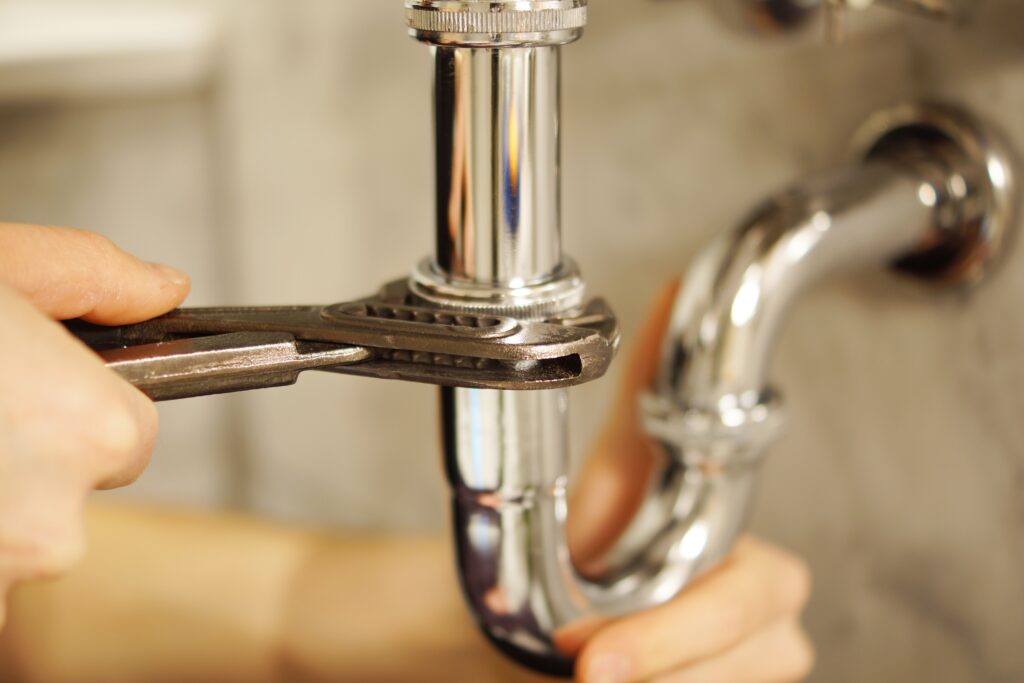
A hidden water leak can be one of the most frustrating plumbing problems for any homeowner. Unlike a burst pipe or overflowing sink, a hidden leak often starts quietly behind walls, under floors, beneath cabinets or inside ceilings. By the time it becomes obvious, the damage may already be expensive to repair.
Knowing the most common hidden water leak signs can help you act early, protect your home and avoid unnecessary repair costs. Small leaks can lead to damp patches, mould growth, damaged plaster, rotten flooring and unusually high water bills if they are ignored.
Here are seven early signs that your home may have a hidden water leak.
1. Damp Patches on Walls, Ceilings or Floors
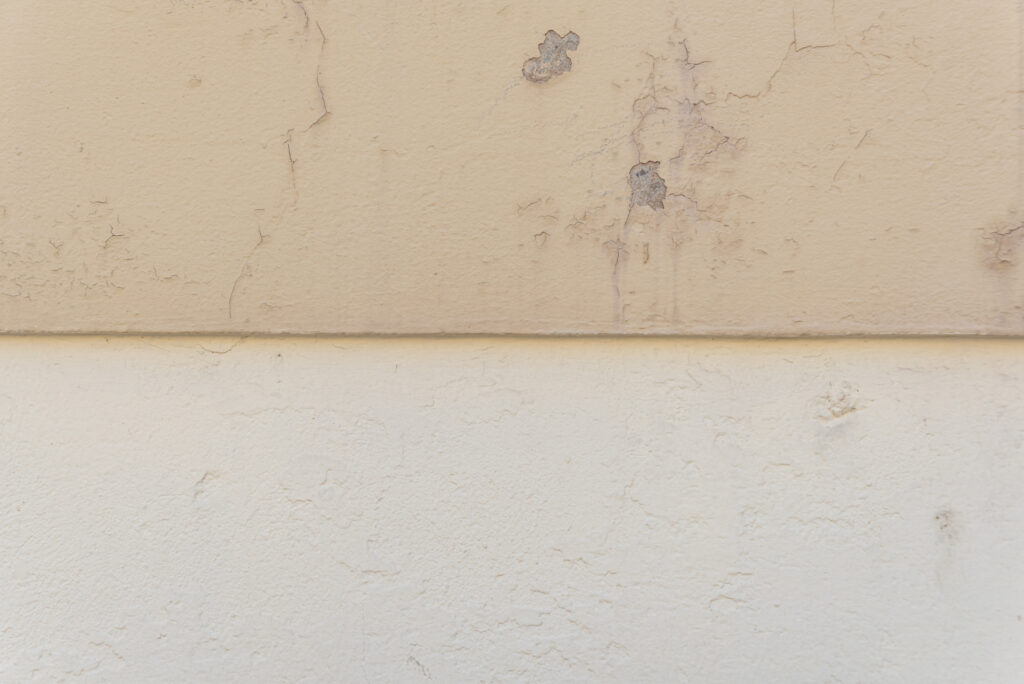
One of the clearest signs of a hidden leak is a damp patch that appears without an obvious reason. You may notice a dark mark on a wall, a wet-looking area on the ceiling or a section of flooring that feels slightly moist.
These patches can appear slowly and may get larger over time. In some cases, they may dry during the day and return later, depending on when water is being used in the home.
Common places to check include:
- Under sinks
- Around toilets
- Near radiators
- Below bathrooms
- Around washing machines
- Near water tanks or boilers
A damp patch should never be ignored, even if it looks small. It could mean water is escaping from a pipe behind the surface.
2. Mould or Mildew Growth
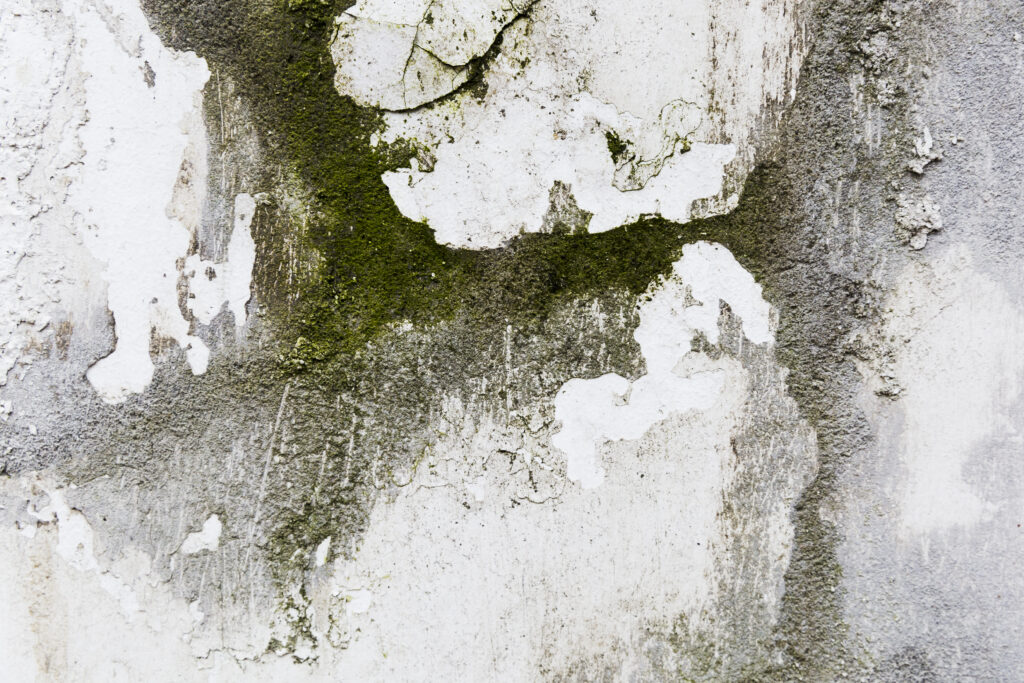
Mould often grows where there is moisture. If you notice mould appearing in unusual places, it may be one of the most important hidden water leak signs.
Bathrooms and kitchens can naturally become steamy, but mould caused by a hidden leak may appear in areas that should normally stay dry. This could include bedroom walls, hallway ceilings, cupboards, skirting boards or behind furniture.
Mould may look like black, green or dark grey spots. It may also come with a musty smell. Even if you clean it away, it often returns if the moisture problem is still there.
A hidden leak can create the perfect damp environment for mould to spread. Acting quickly can help protect both your property and indoor air quality.
3. Unusual Stains or Discolouration

Water stains are another common warning sign. These stains may appear as yellow, brown or rusty marks on walls or ceilings.
A stain may start as a small ring or patch, then slowly become darker or wider. If the leak is above the ceiling, the stain may spread downwards. If the leak is behind a wall, the plaster or paint may begin to change colour.
Stains are often caused by water passing through plaster, paint, timber or other building materials. By the time a stain appears, the leak may have been active for some time.
Do not simply paint over the mark. The source of the leak needs to be found first.
4. Low Water Pressure
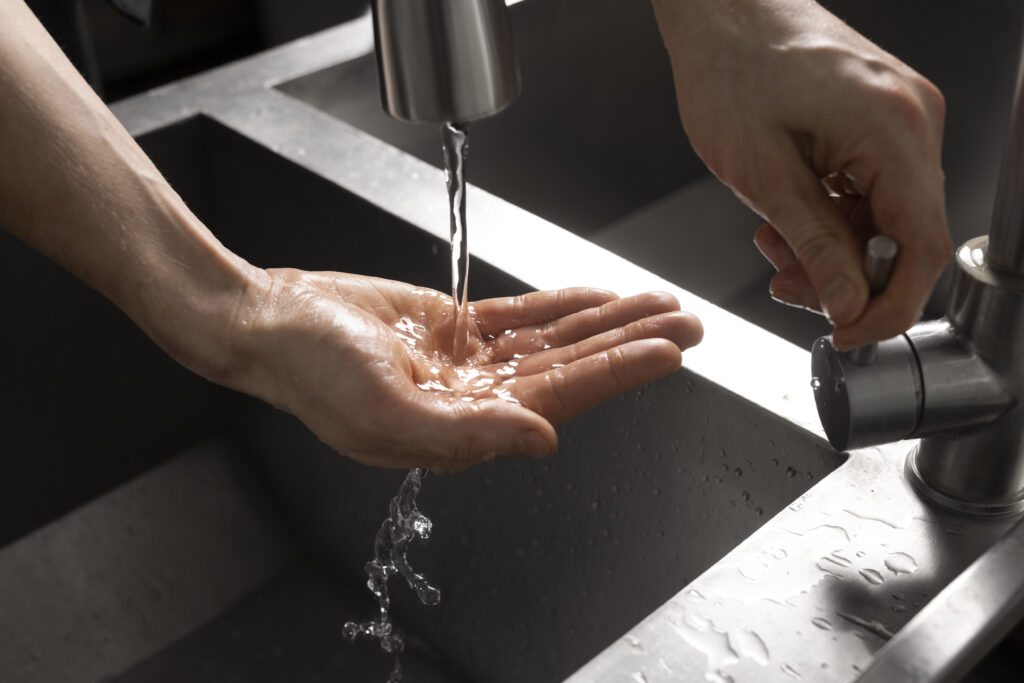
A sudden drop in water pressure can be another sign that something is wrong with your plumbing. If your taps, shower or appliances are not receiving water as strongly as usual, a hidden leak may be one possible cause.
Low pressure can happen for different reasons, but if it appears suddenly or affects more than one area of the home, it should be checked.
You may notice:
- A weaker shower flow
- Taps taking longer to fill a sink
- Washing machine cycles taking longer
- Water pressure changing throughout the day
If water is escaping from a hidden pipe, less water may reach the outlets in your home. A professional plumber can test the system and identify whether a leak is the cause.
5. Peeling Paint, Bubbling Wallpaper or Damaged Plaster
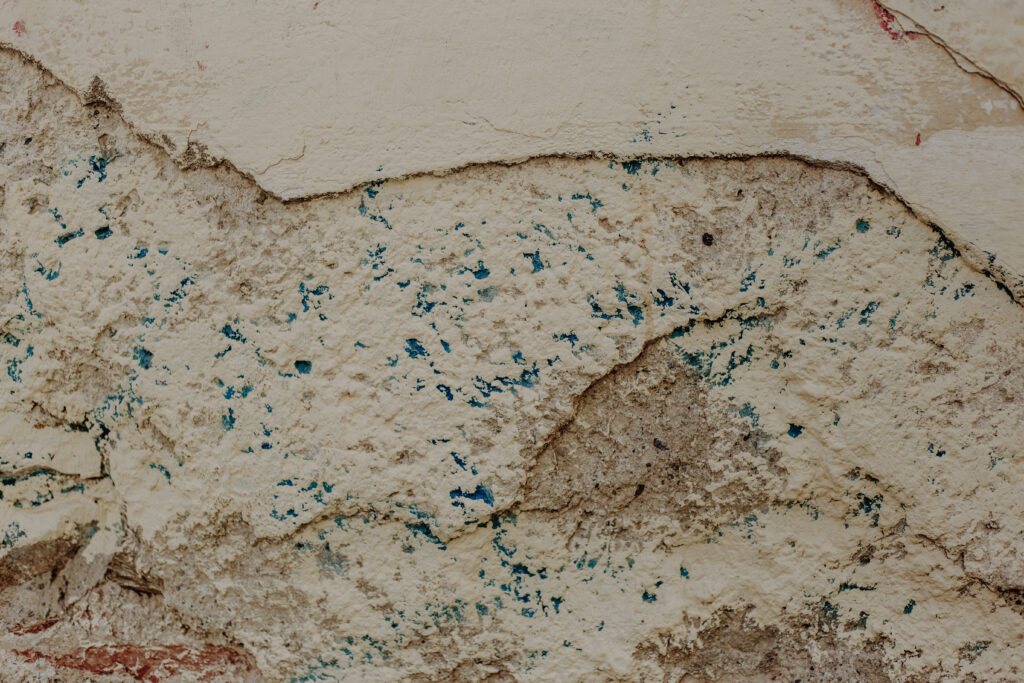
Walls and ceilings often show early warning signs when moisture is trapped behind them. Paint may begin to bubble, wallpaper may peel away, or plaster may feel soft and crumbly.
This type of damage is easy to mistake for age or general wear, but it can be caused by hidden water. When moisture builds up behind a surface, it weakens the materials and affects the finish.
Look closely at areas around bathrooms, kitchens, airing cupboards and external walls. If the damage keeps returning after repair, there may be an ongoing leak behind it.
Fixing the surface without fixing the plumbing issue will only lead to the same problem coming back.
6. A Musty or Damp Smell

Sometimes, a hidden leak can be noticed before it can be seen. A damp, musty or stale smell may suggest that water is collecting somewhere out of sight.
This smell can come from wet wood, damp plaster, mould growth or moisture trapped under flooring. It may be stronger in cupboards, corners, under sinks or rooms with poor ventilation.
A musty smell that does not go away after cleaning or airing the room should be taken seriously. It may mean there is moisture hidden behind walls, under floors or inside cabinets.
This is especially important if the smell is localised to one area of the home.
7. Unusually High Water Bills

An unexpected rise in your water bill is one of the most overlooked hidden water leak signs. If your water usage has not changed but your bill has increased, water may be escaping somewhere in the system.
Even a small leak can waste a surprising amount of water over time. A dripping pipe, leaking toilet or underground pipe issue can all increase your usage without being obvious.
Check your bill carefully and compare it with previous months. If the increase does not make sense, it is worth arranging a plumbing inspection.
You can also check your water meter when no water is being used. If the meter continues to move, there may be a leak somewhere in your property.
Why Hidden Leaks Should Be Fixed Quickly
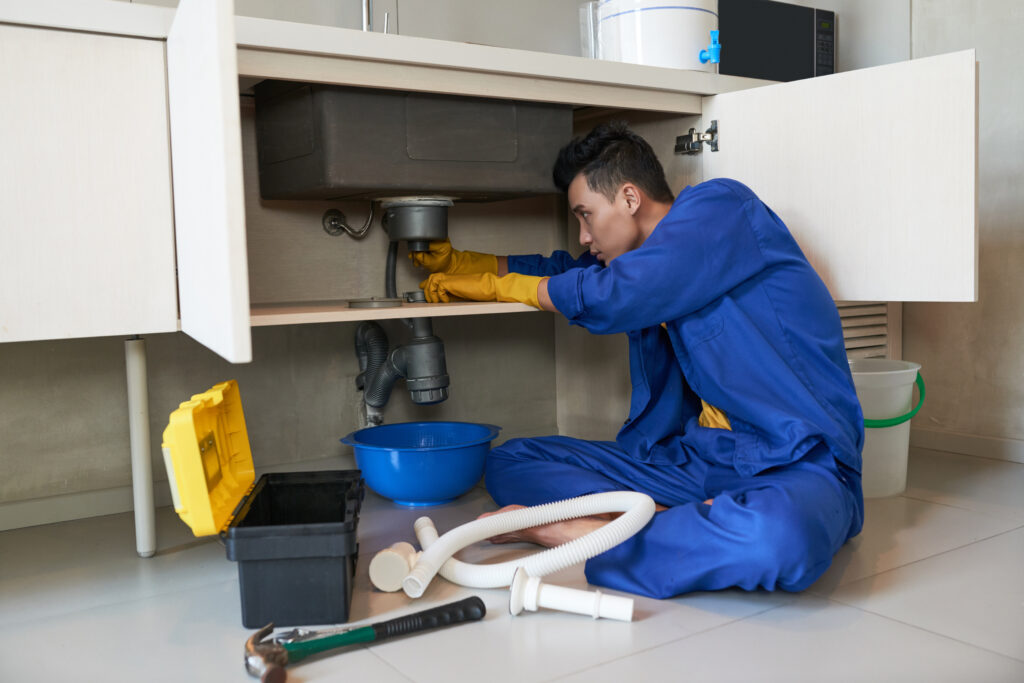
A hidden water leak may seem minor at first, but the damage can grow quickly. Water can soak into walls, ceilings, floors and timber. Over time, this can cause structural damage, mould, bad smells and expensive repairs.
The longer a leak is left, the harder it can be to repair. What starts as a small plumbing job may become a larger property damage issue.
Early leak detection can help you:
- Reduce repair costs
- Prevent mould growth
- Protect walls, ceilings and floors
- Avoid wasted water
- Keep your plumbing system working properly
- Protect the value of your home
This is why it is important to contact a professional plumber as soon as you notice warning signs.
What to Do If You Suspect a Hidden Water Leak

If you think there may be a hidden leak in your home, do not wait for the problem to get worse. Start by checking visible plumbing areas such as under sinks, around toilets, near radiators and close to appliances.
You should also look for damp patches, stains, mould, peeling paint and changes in water pressure. If the signs are present but the source is not obvious, a plumber can inspect your pipework and identify the problem safely.
Avoid cutting into walls or lifting floors yourself unless you know exactly what you are doing. Guesswork can cause extra damage and may not solve the issue.
Contact Mik Plumbing Before a Small Leak Becomes Expensive
Hidden leaks can be stressful, but early action makes a big difference. If you have noticed damp patches, low pressure, mould, stains, musty smells or unusual water bills, it may be time to get your plumbing checked.
Mik Plumbing can help identify the source of the problem and repair it before it causes more damage to your home.
Contact Mik Plumbing today before a small leak becomes expensive.