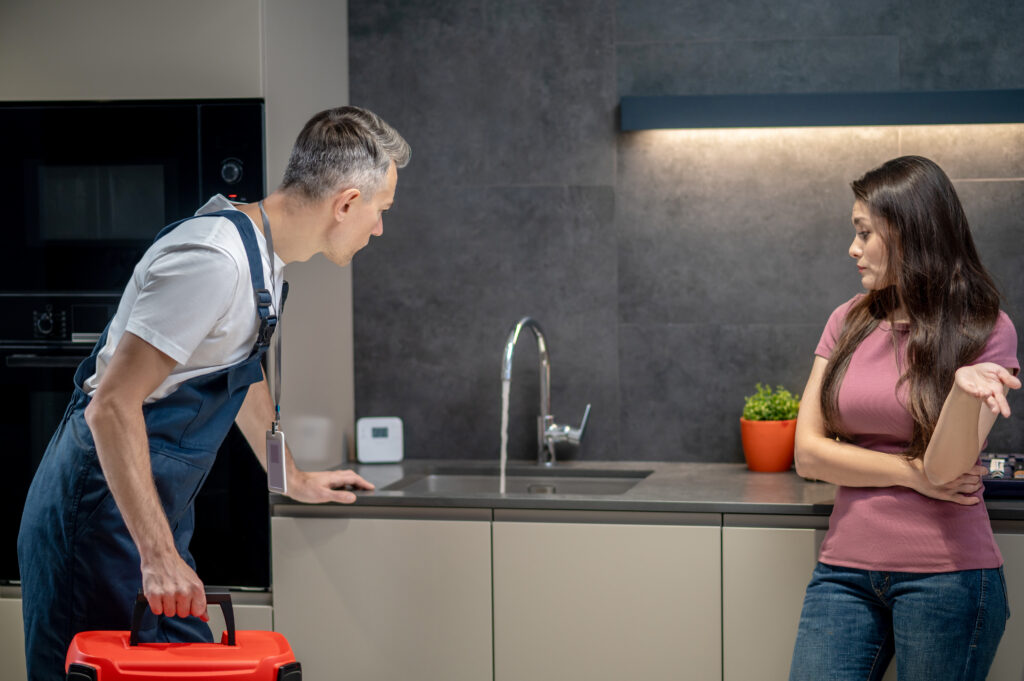
Most homeowners only think about plumbing when something goes wrong. A burst pipe, blocked drain, leaking boiler connection, or overflowing toilet quickly turns into an urgent and expensive problem. Yet many of these emergencies could have been avoided with preventative plumbing maintenance.
Preventative plumbing maintenance is not simply about fixing small leaks. It is a long-term strategy that protects your property, reduces repair costs, improves water efficiency, and helps avoid major disruption to daily life or business operations.
For households and commercial properties alike, proactive plumbing care is significantly more cost-effective than emergency repairs.
The Real Cost of Plumbing Emergencies
Emergency plumbing problems rarely happen at a convenient time. Pipes often fail overnight, during winter, or when systems are under the most pressure. When this happens, repair costs rise quickly because the issue is no longer isolated.
A small untreated leak beneath a sink can eventually damage flooring, walls, cabinets, and electrical systems. A blocked drain left unresolved may lead to flooding and structural damage. In many cases, homeowners end up paying for restoration work in addition to the plumbing repair itself.
Emergency call-outs also tend to cost more because of:
- Out-of-hours labour charges
- Urgent parts sourcing
- Water damage restoration
- Property clean-up
- Temporary accommodation in severe cases
- Business downtime for commercial premises
Routine inspections and preventative plumbing maintenance cost far less than dealing with widespread water damage after a failure.
Small Problems Become Expensive Problems
One of the biggest advantages of preventative plumbing maintenance is early detection.
Professional plumbers can identify warning signs long before they become emergencies, including:
- Slow hidden leaks
- Corroding pipework
- Early drain blockages
- Weak water pressure
- Faulty seals and joints
- Water heater inefficiencies
- Small cracks in external pipework
- Limescale build-up
- Worn stop valves
These issues may appear minor at first, but plumbing systems operate under constant pressure. Even a tiny weakness can develop into a serious failure over time.
For example, a slow pipe leak hidden behind a wall may go unnoticed for months. During that time, moisture can encourage mould growth, weaken plaster, damage insulation, and rot timber structures.
Repairing the leak early through preventative plumbing maintenance could cost a small service fee. Repairing structural water damage later could cost thousands.
Preventative Plumbing Maintenance Helps Reduce Water Bills
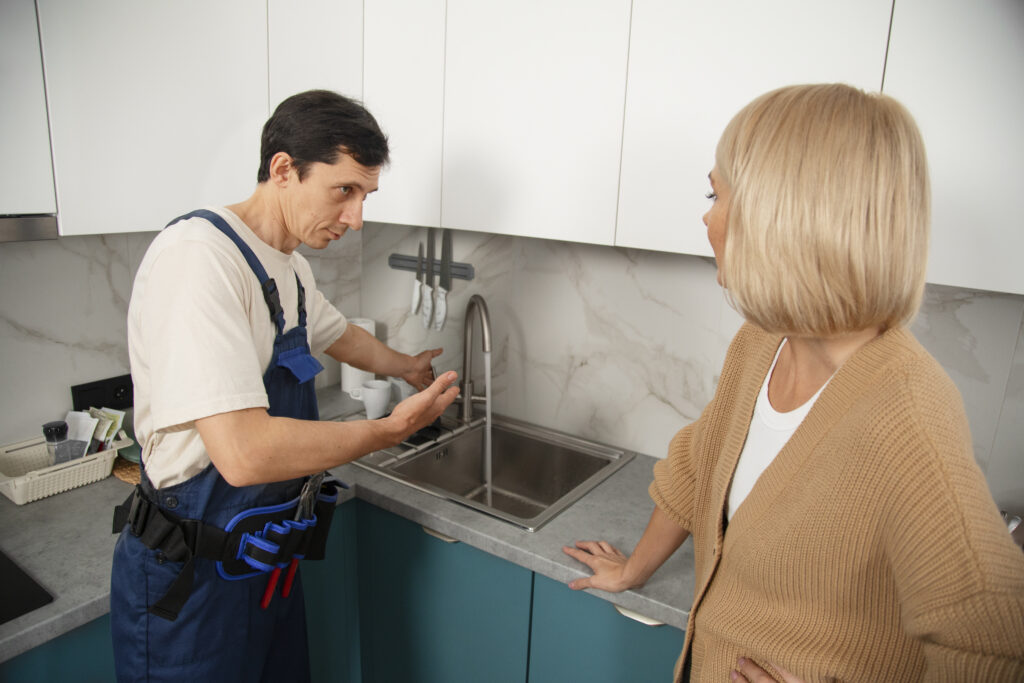
Leaking plumbing systems waste a surprising amount of water.
Dripping taps, inefficient toilets, hidden leaks, and ageing fixtures all contribute to higher utility bills. Even a small leak can waste thousands of litres of water each year.
Routine preventative plumbing maintenance helps improve efficiency by:
- Detecting hidden water loss
- Replacing worn seals and washers
- Improving pipe performance
- Maintaining water pressure
- Checking appliance connections
- Identifying inefficient fixtures
For commercial properties, the savings can be even greater because larger systems consume significantly more water daily.
Preventative Plumbing Maintenance Extends System Lifespan
Plumbing systems are major long-term investments. Boilers, pipework, water heaters, pumps, valves, and drainage systems all experience wear over time.
Without preventative plumbing maintenance, these systems deteriorate faster.
Regular inspections help extend the lifespan of plumbing infrastructure by ensuring components remain in proper working condition. This reduces the likelihood of premature replacements and major system failures.
A well-maintained plumbing system can often last many years longer than a neglected one.
How Often Should Plumbing Be Inspected?
The ideal inspection schedule depends on the age and type of property.
Residential Properties
Most homes should have a professional plumbing inspection:
- Once every year for general maintenance
- Twice yearly for older properties
- Before winter to prevent frozen pipes
- After major renovations or extensions
Commercial Properties
Businesses usually require more frequent inspections because plumbing systems experience heavier usage.
Restaurants, offices, retail spaces, schools, and rental properties often benefit from quarterly or biannual preventative plumbing maintenance checks.
Common Signs You Should Not Ignore
Many plumbing emergencies provide warning signs beforehand. Ignoring them increases the risk of major failure.
Watch for:
- Unusual increases in water bills
- Damp patches on walls or ceilings
- Slow drainage
- Gurgling sounds in pipes
- Low water pressure
- Persistent dripping taps
- Rust-coloured water
- Unpleasant drain smells
- Water stains near appliances
These signs may indicate hidden problems that should be inspected professionally.
Preventative Plumbing Maintenance Protects Property Value
Water damage is one of the most common causes of property deterioration. Poor plumbing maintenance can reduce property value and create issues during surveys or property sales.
Buyers are increasingly cautious about hidden water damage, mould problems, and ageing plumbing systems.
Preventative plumbing maintenance helps preserve:
- Structural integrity
- Interior finishes
- Flooring and cabinetry
- Heating performance
- Energy efficiency
- Insurance compliance
Well-maintained properties are generally easier to sell and less likely to experience unexpected repair costs.
Businesses Face Greater Risks From Plumbing Failures
For commercial premises, plumbing problems can interrupt operations entirely.
A burst pipe or blocked drainage system may force businesses to close temporarily, resulting in:
- Lost revenue
- Staff disruption
- Customer complaints
- Health and safety concerns
- Damage to stock or equipment
Regular preventative plumbing maintenance reduces operational risk and helps businesses avoid costly downtime.
Winter Preventative Plumbing Maintenance Matters
Cold weather places additional stress on plumbing systems. Frozen pipes remain one of the leading causes of winter property damage.
Winter preventative plumbing maintenance may include:
- Pipe insulation checks
- Outdoor tap inspections
- Boiler performance checks
- Water pressure testing
- Leak inspections
- Drainage flow assessments
Preparing plumbing systems before temperatures drop can prevent expensive winter emergencies.
The Long-Term Financial Benefit
Preventative plumbing maintenance is ultimately about reducing risk.
Instead of paying unpredictable emergency repair costs, homeowners and businesses invest in smaller, controlled maintenance costs that help avoid larger problems later.
Over time, this approach usually leads to:
- Lower repair bills
- Reduced water usage
- Fewer emergencies
- Longer-lasting systems
- Less property damage
- Better system efficiency
- Greater peace of mind
Regular preventative plumbing maintenance is not an unnecessary expense. It is a practical financial decision that protects both the property and the plumbing system itself.
Why Professional Inspections Matter
While homeowners can identify obvious issues, many plumbing problems remain hidden until they become serious.
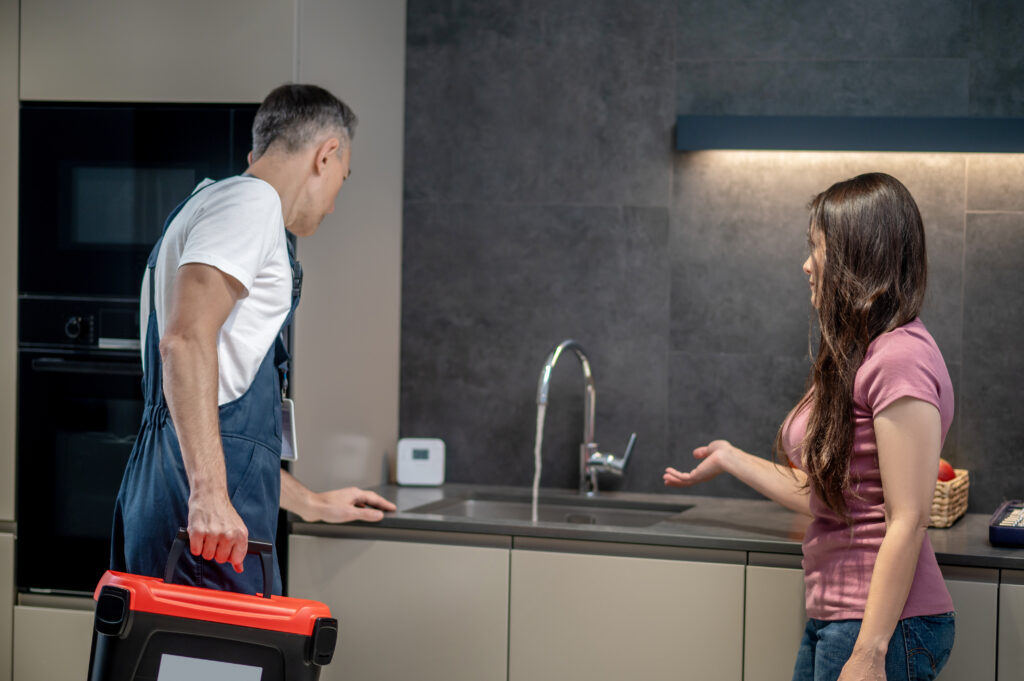
Professional plumbers use experience and specialist tools to inspect systems thoroughly and identify risks before major damage occurs.
A preventative plumbing maintenance visit may include:
- Leak detection
- Pressure testing
- Pipe inspections
- Drain assessments
- Valve checks
- Water heater inspection
- Fixture performance testing
- Early corrosion detection
Professional maintenance ensures plumbing systems remain safe, efficient, and reliable throughout the year.
Final Thoughts
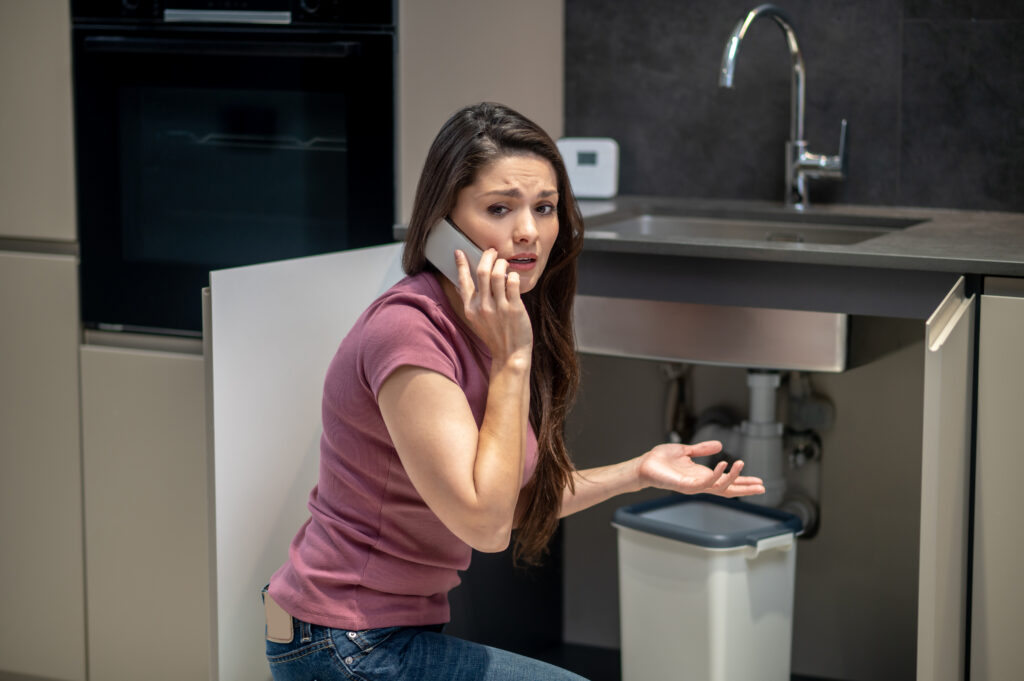
Emergency plumbing repairs are often expensive because the damage extends far beyond the original issue. In many cases, the real cost comes from delay rather than the plumbing fault itself.