
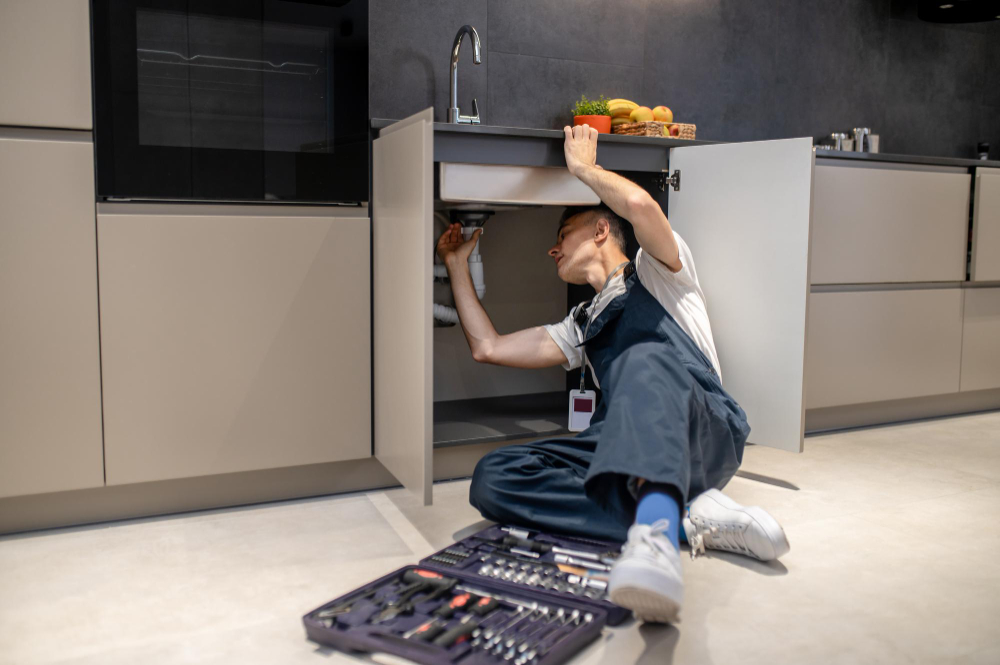
Plumbing emergencies never seem to happen at a convenient time. Whether it’s a burst pipe, a leaking tap, an overflowing toilet, or a clogged drain, these issues can quickly cause stress, mess, and damage inside your home.
However, the moments before a professional plumber arrives are critical. By taking quick, smart actions, you can minimize the damage, speed up the repair process, and even save money. If you’re searching for plumber near me, knowing what to do before they arrive can make a big difference.
At MIK Plumbing, we understand how overwhelming plumbing emergencies can be. That’s why we’ve put together this practical guide on what to do before a plumber arrives. By following these simple steps, you can handle the situation with confidence, protect your home, and avoid making the situation worse.
Why Immediate Action Matters
When a plumbing issue arises, many homeowners simply call the plumber and wait for help to arrive. While it’s essential to call for professional assistance, waiting without taking action can lead to further damage. Water can spread, affecting floors, walls, furniture, and even electrical systems.
Taking immediate steps can make a big difference. You may be able to stop the water flow, protect your belongings, and reduce the repair time. Small actions now can prevent big headaches later, helping both you and the plumber tackle the problem more efficiently.
1. Prioritize Safety First
Safety should always be your top priority in an emergency. If water is flooding your home, there are immediate risks, especially if it’s near electrical outlets, wiring, or appliances.
Here’s what you can do to stay safe:
- Turn off the electricity near the affected area to avoid electrical hazards.
- Keep children and pets away from the flooded or affected area.
- Wear protective footwear and gloves if you need to move through standing water.
- Ensure adequate lighting to help you see any potential hazards clearly.
These quick safety measures will help ensure everyone’s safety while you take the next steps.
2. Shut Off the Water Supply
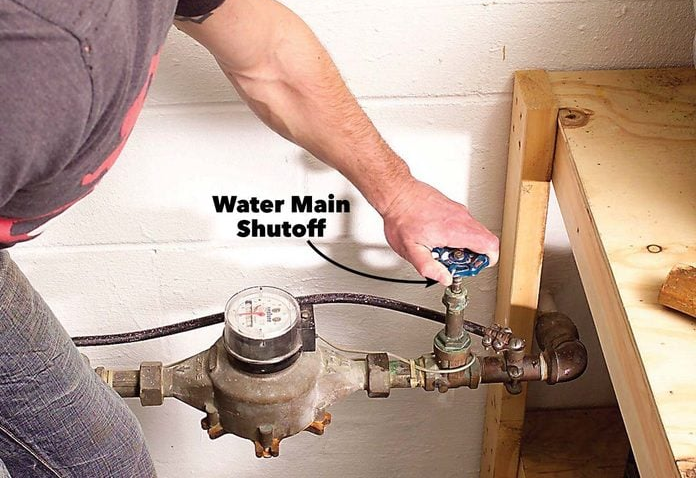
In most plumbing emergencies, stopping the water flow is your first line of defense. Find your main stopcock (usually located under the sink, near the water meter, or in a utility cupboard) and turn it off. This will prevent further water damage.
If the problem is confined to a specific fixture, such as a leaking tap or toilet, there’s likely a smaller isolation valve nearby that you can turn off.
After cutting off the water supply, turn on the lowest tap in the property to drain any remaining water from the system, reducing the pressure in the pipes.
3. Contain the Leak (If Safe)
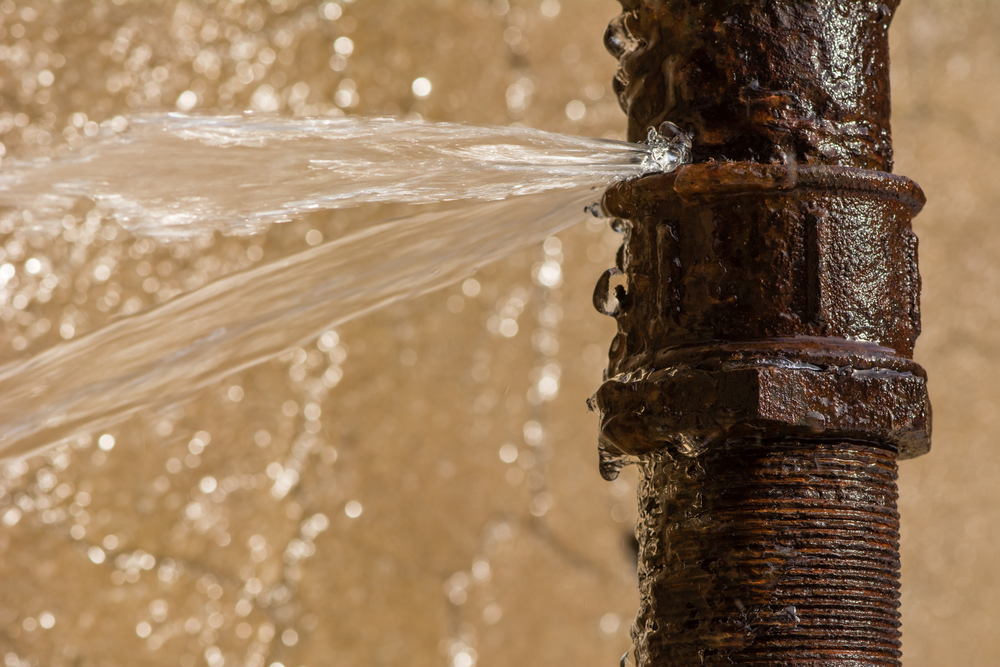
Once you’ve turned off the water, try to contain the leak, especially if it’s still dripping. Use towels, cloths, or buckets to catch the water and prevent it from spreading to other parts of your home.
For minor leaks, you can use temporary measures like plumber’s tape or a pipe clamp to help seal the pipe. However, don’t rely on this as a permanent fix, leave that to the professionals.
If water is coming through a ceiling, place a bucket underneath and move furniture away from the area. Do not poke or cut the ceiling unless advised by a professional, as this can be dangerous.
4. Protect Your Belongings
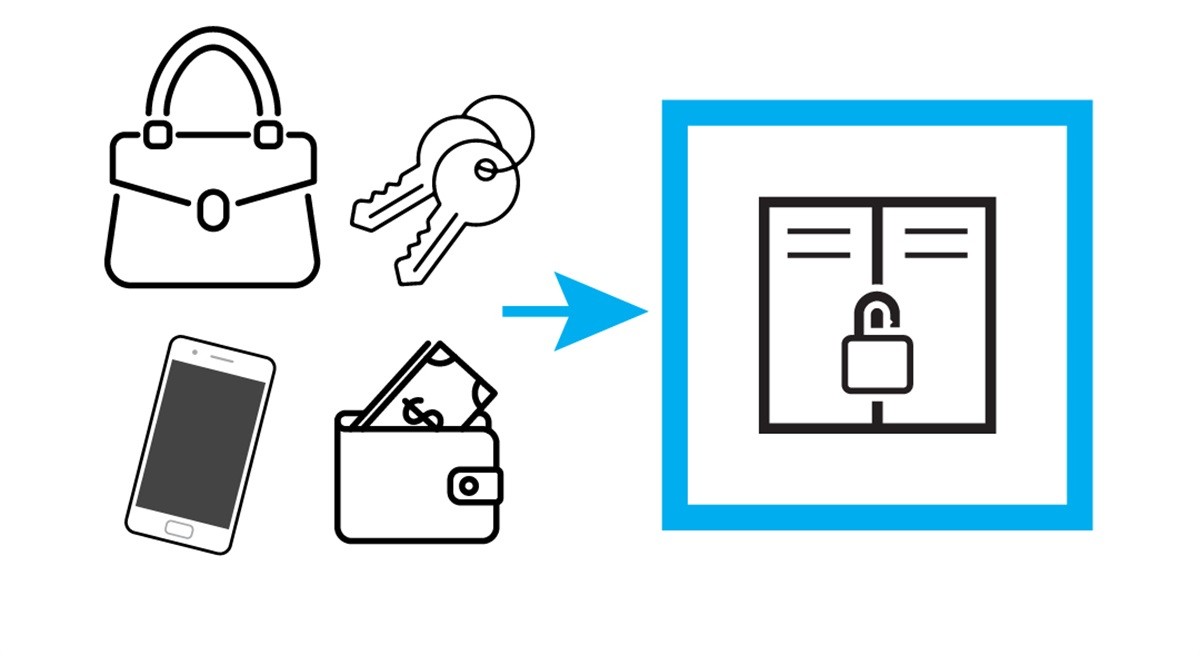
Water can quickly damage carpets, wooden flooring, furniture, paperwork, electronics, and personal belongings.
Take these steps to protect your valuables:
- Move furniture, electronics, and rugs out of the affected area.
- If possible, raise furniture off the floor (using blocks or any available items).
- Place towels, buckets, or plastic sheets under drips or leaks to protect surfaces.
Taking these steps can save you from costly repairs or replacements down the line.
5. Avoid Using Harsh Drain Chemicals
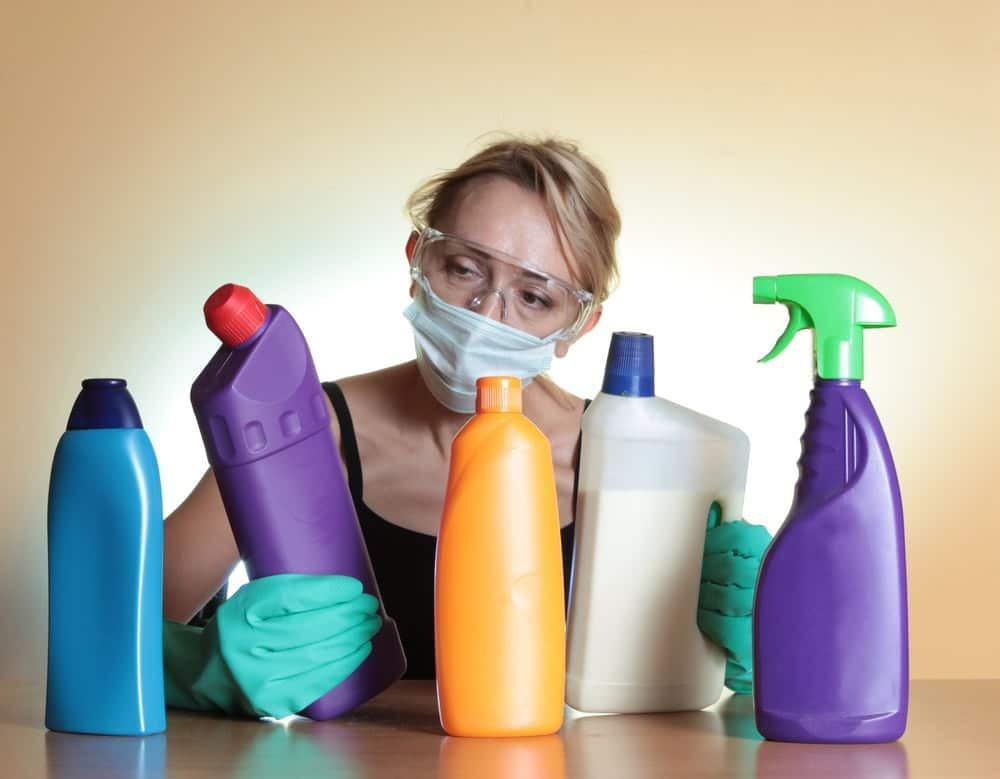
If the issue is a blocked sink, toilet, bath, or drain, it may be tempting to pour strong chemicals into the pipe.
This is not always a good idea. Harsh drain cleaners can damage pipework, create dangerous fumes, or make the job riskier for the plumber when they arrive.
For minor blockages, you can try a plunger if it is safe and clean to do so. If the blockage does not clear quickly, stop and wait for a professional.
6. Take Photos and Notes
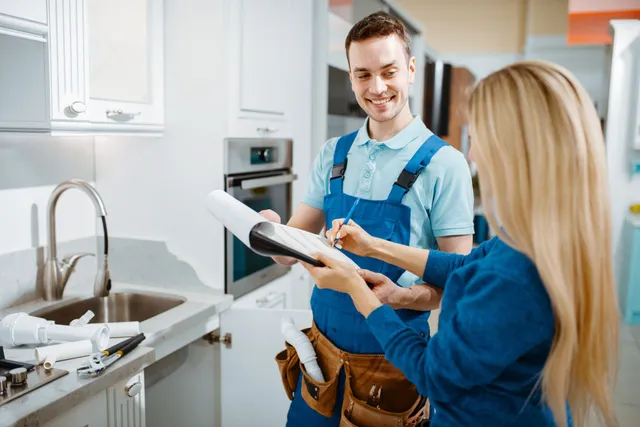
Before the plumber arrives, take clear photos of the problem. Capture the leak, the affected pipe or fixture, and any water damage.
Also make a quick note of:
- The location and size of the leak or damage.
- When the issue started.
- Any unusual smells or noises (e.g., gurgling pipes).
- Details of any temporary fixes you’ve attempted.
This documentation can help the plumber assess the situation faster and provide necessary information for insurance claims.
7. Clear Access to the Problem Area
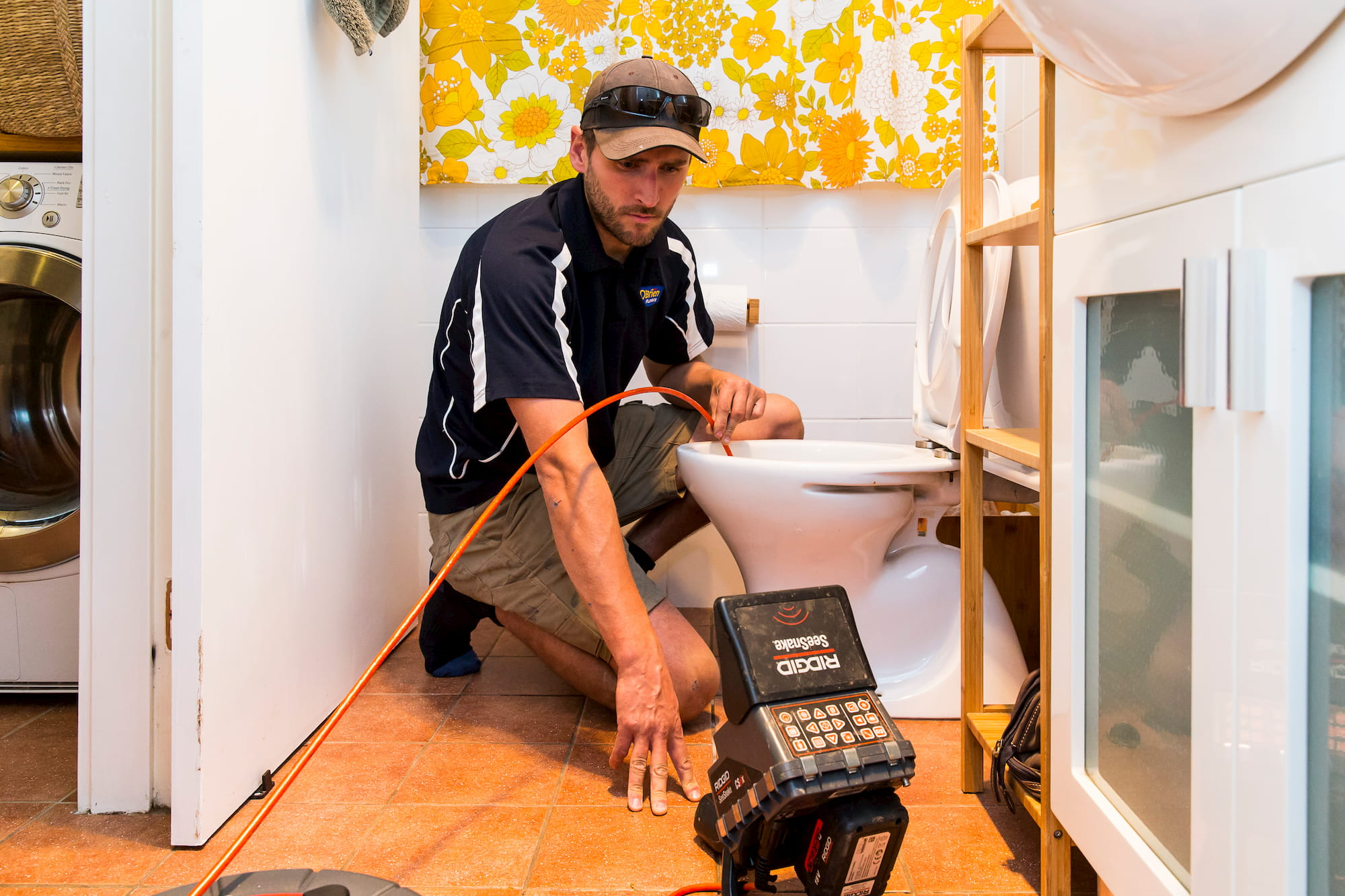
Plumbers work faster when they can easily reach the affected pipe, appliance, toilet, drain, or boiler.
Move any obstacles such as furniture, boxes, or rugs away from sinks, toilets, or water heaters. If the issue is outside or in hard-to-reach places, ensure gates or access points are clear.
The more accessible the affected area, the quicker the plumber can diagnose and repair the problem.
8. Communicate Clearly with Your Plumber
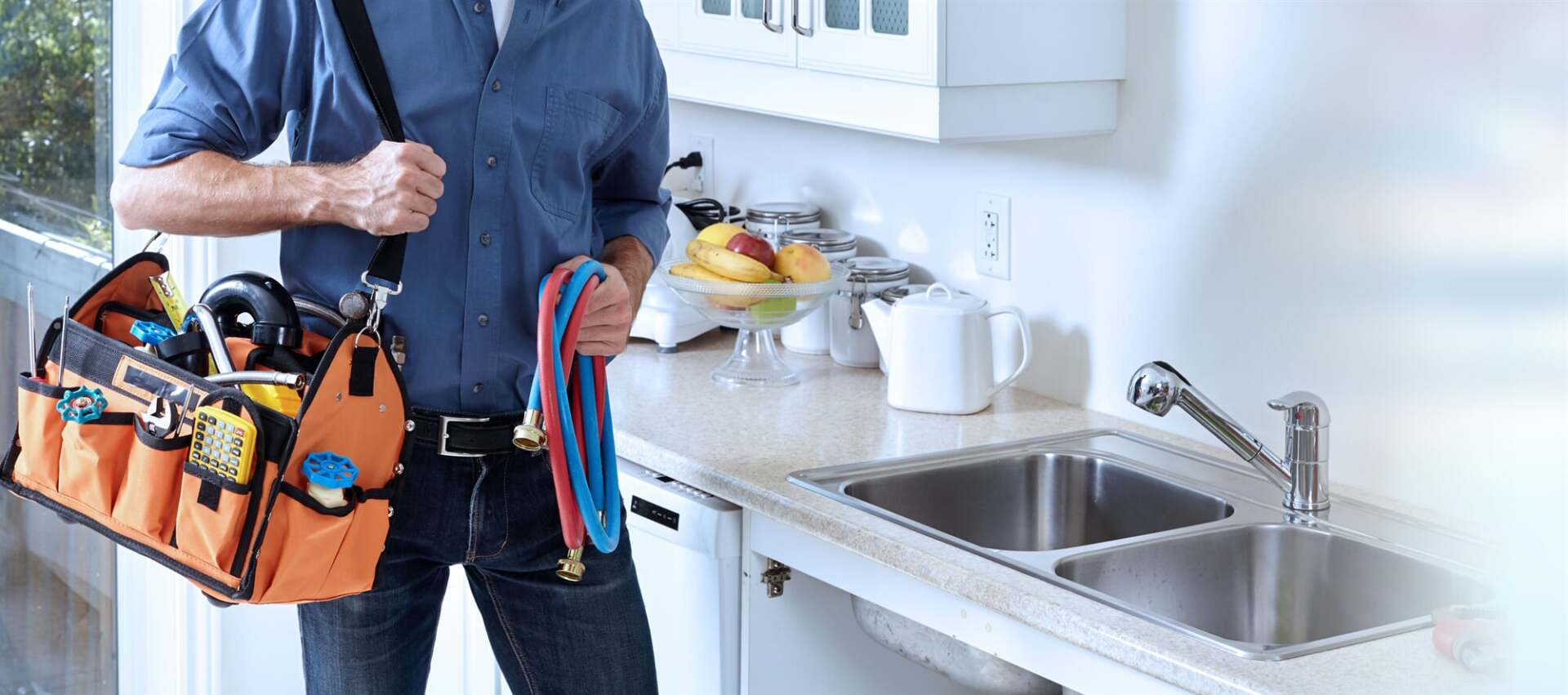
When your plumber arrives, provide them with clear and concise information about the situation. Here’s what to share:
- The location of the leak and what fixtures are affected.
- Whether you’ve already turned off the water or made any temporary fixes.
- Any recent plumbing issues (e.g., past leaks or repairs).
The clearer and more thorough your communication, the more prepared your plumber will be, which will help speed up the repair process.
Common Mistakes to Avoid
While handling a plumbing emergency, it’s easy to make a few missteps. Avoid these common mistakes:
- Waiting too long before taking action.
- Ignoring electrical hazards near water.
- Using harsh chemicals to clear drains or repair leaks.
- Overestimating your DIY skills and making the problem worse.
- Forgetting to document the problem for insurance or repair purposes.
When searching for plumber near me remember that the moew clearer and thorough your conversaton is it will help speed up the repair process.
When the Plumber Arrives
Once your plumber is on-site:
- Show them the affected area and explain what actions you’ve taken.
- Let them inspect the issue to assess whether there’s underlying damage.
- Ask about long-term solutions to prevent similar issues in the future.
How to Prevent Future Plumbing Emergencies
Once the urgent problem is fixed, it’s time to think about prevention.
- Regularly check pipes for leaks, corrosion, or loose fittings.
- Inspect your water heater and any other appliances.
- Consider installing water alarms or smart leak detectors.
- Make sure your stopcock is easy to locate and accessible.
When you’re in need of a quick solution, searching for plumber near me which is also reliable can make all the difference in handling an emergency situation swiftly and professionally.
Contact MIK Plumbing for Reliable Plumbing Services
At MIK Plumbing, we understand that plumbing emergencies can be stressful. By acting quickly and safely before we arrive, you can reduce the damage and make the repair process faster and easier.
If you need expert plumbing services, contact us today. Whether you’re searching plumber near me for leaks, blockages, overflowing toilets, faulty taps, or urgent plumbing issues, our team is ready to help.
Get in Touch with MIK Plumbing Today!